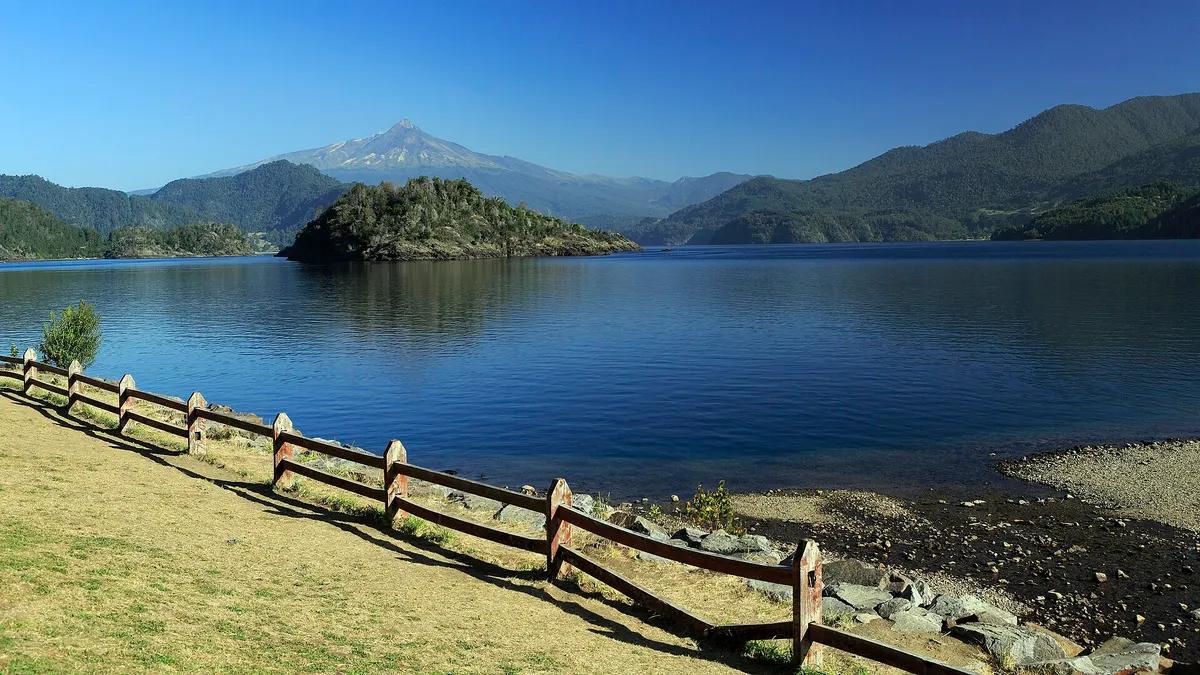
Panguipulli is the capital of the so-called Seven Lakes municipality in Chile's Los Ríos Region: a town on the shore of the lake of the same name that serves as a base to explore lakes Calafquén, Riñihue, Neltume, Pirehueico, Pullinque and Pellaifa, the hot springs of Coñaripe and Liquiñe and the Valdivian rainforest of Huilo Huilo. That is how Chile Travel, the country's official tourism promotion site, describes it, naming Lake Panguipulli the largest on the circuit. The name comes from Mapudungun and is translated as "hill of pumas" or "land of lions", and the town is also known as the city of roses (Wikipedia).
This guide covers what to do in Panguipulli, how to get around the lakes, the weather and how to get there, with information checked on 7 November 2026. Schedules and prices change from season to season: confirm them before you travel.
View the data as a table
| lakes in the municipality | 7 |
| hot spring centres, at least | 14 |
| °C, maximum hot spring water temperature | 79 |
| km by road to Lake Pirehueico | 68 |
Things to do in the town of Panguipulli
- The Church of San Sebastián, built of wood with twin towers in 1947 by the Capuchin missionaries who arrived in the area in 1903. It is the town's landmark (Wikipedia).
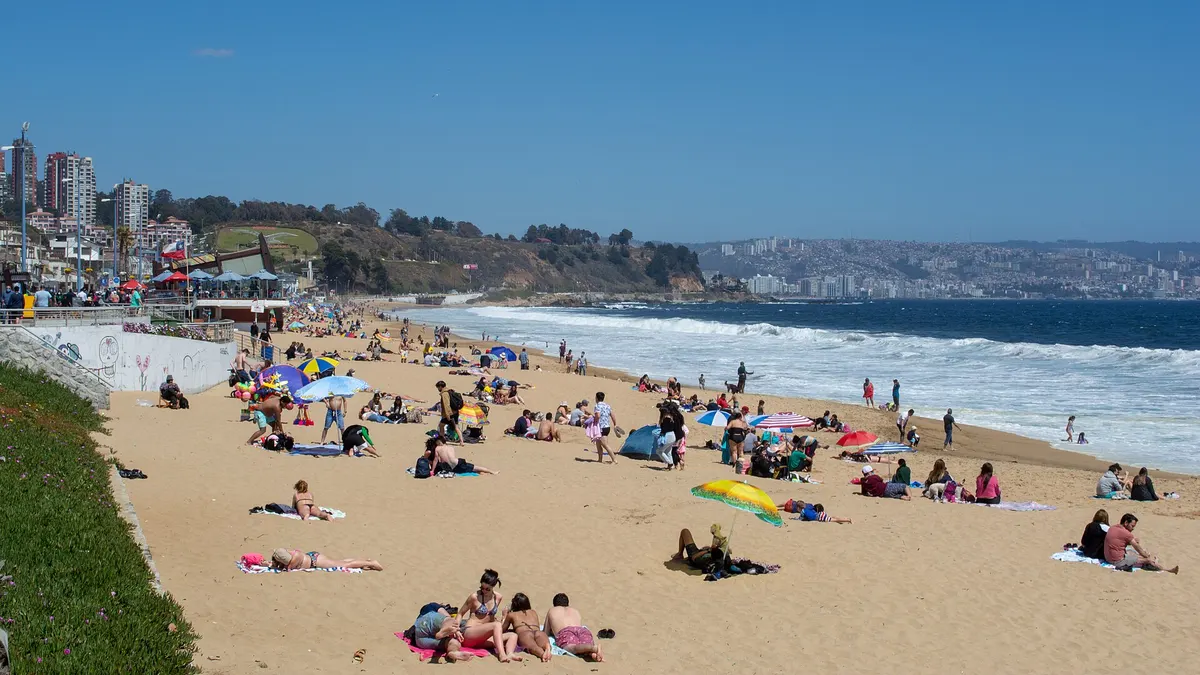
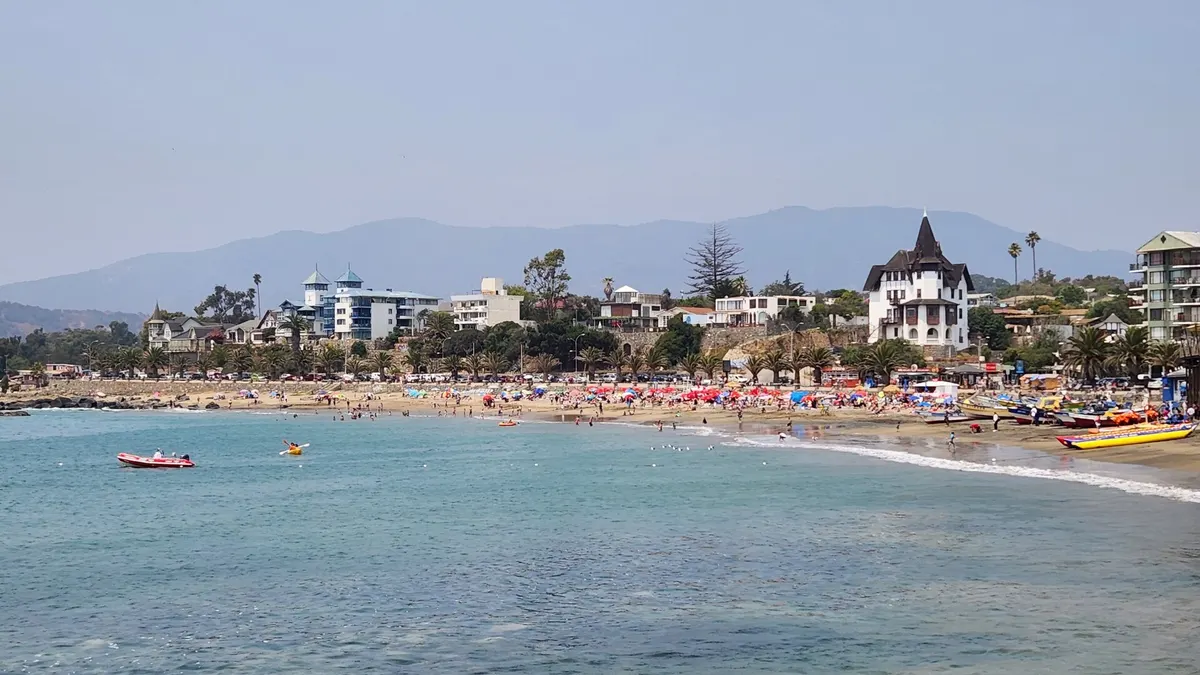
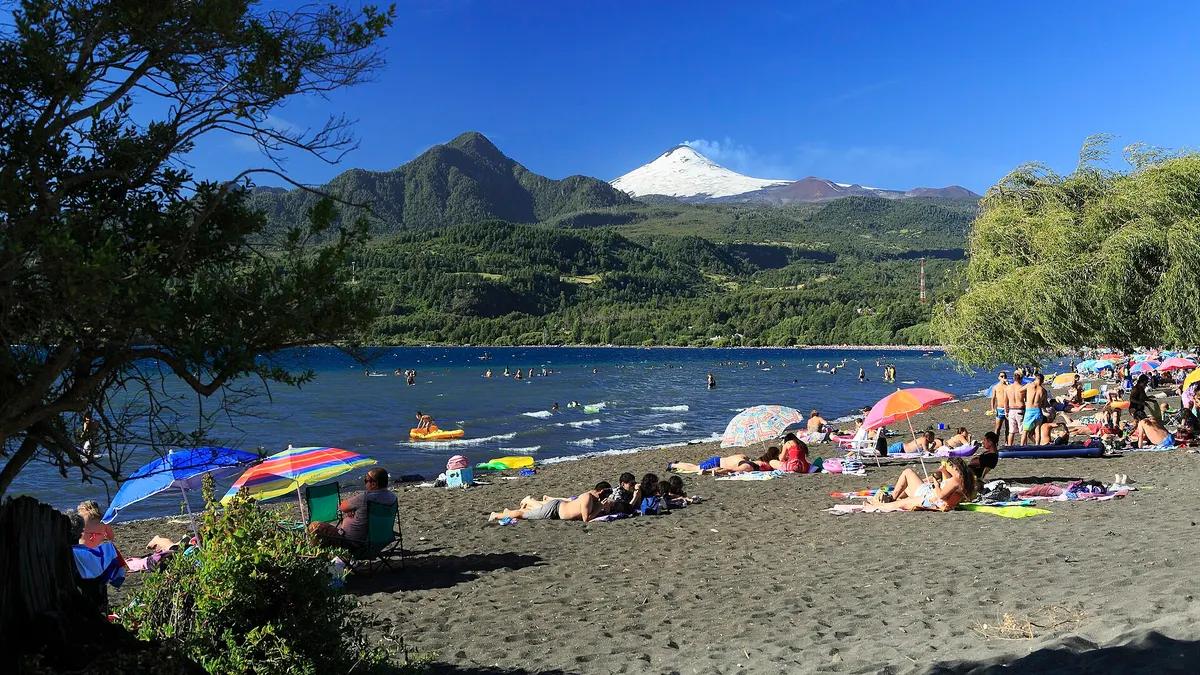
- The lakefront and the beaches of Lake Panguipulli, with views of Villarrica volcano on clear days. In summer there are beaches with services and kayaks and boats for hire.
- The Educational Theatre and the cultural house on the lakeshore, which host fairs and seasonal events, according to BioBioChile.
- Boating, recreational fishing, zip-lining and hiking on and around the lake, the typical activities that Chile Travel lists for Lake Panguipulli.
The seven lakes of Panguipulli, one by one
What makes Panguipulli special is that there are seven different lakes within less than 70 km. This table sums up the distance from town and what to do at each one, according to Chile Travel:
| Lake | Distance from Panguipulli | What sets it apart | What to do |
|---|---|---|---|
| Panguipulli | In town | The largest on the circuit | Boating, fishing, zip-lining and hiking |
| Pullinque | 20 km, on the road to Coñaripe | One of the smallest, with almost no houses on its shores | Birds, wetlands, kayaking |
| Riñihue | 26 km | Water from 7 °C in winter to 20 °C in summer; Mocho-Choshuenco volcano to the east | Trekking, photography, light water sports |
| Calafquén | About 43 km | Home to Lican Ray, Coñaripe and Calafquén; Coñaripe beach is almost 3 km long | Swimming, sailing, sport fishing |
| Pellaifa | 7 km from Coñaripe | Sunken forest left by the 1960 earthquake | Sightseeing and photography |
| Neltume | 55 km via Route 203 | Gateway to the Huilo Huilo Biological Reserve, 6 km away | Trekking and wildlife |
| Pirehueico | 68 km | The "snow lagoon", with a ferry to Argentina | Trout fishing, wildlife, trekking |
Source: Chile Travel, "Circuito Siete Lagos" (30 April 2026). Approximate road distances.
This circuit is different from the Seven Lakes route in Araucanía, which includes Lake Villarrica and starts in Pucón; both can be combined on one trip. Further south, Lake Ranco completes the lake district of Los Ríos.
Coñaripe, Liquiñe and the hot springs route
The Panguipulli-Seven Lakes route has at least 14 hot spring centres, concentrated in Coñaripe and Liquiñe, with water reaching up to 79 °C, according to BioBioChile. Liquiñe alone has more than nine and is known for its woodcarvers. Between Coñaripe and Liquiñe, on the Los Cajones road, are the most photographed hot springs in southern Chile, the former Termas Geométricas, renamed Termas Martini on 1 October 2026.
In Coñaripe, besides the beach, Mapuche operators guide trails on the slopes of Villarrica National Park, such as the Mili Mili route and the Azquintue trail (BioBioChile). To compare centres, prices and seasons, see our guide to hot springs in Chile.
Neltume, Huilo Huilo and the Puerto Fuy ferry
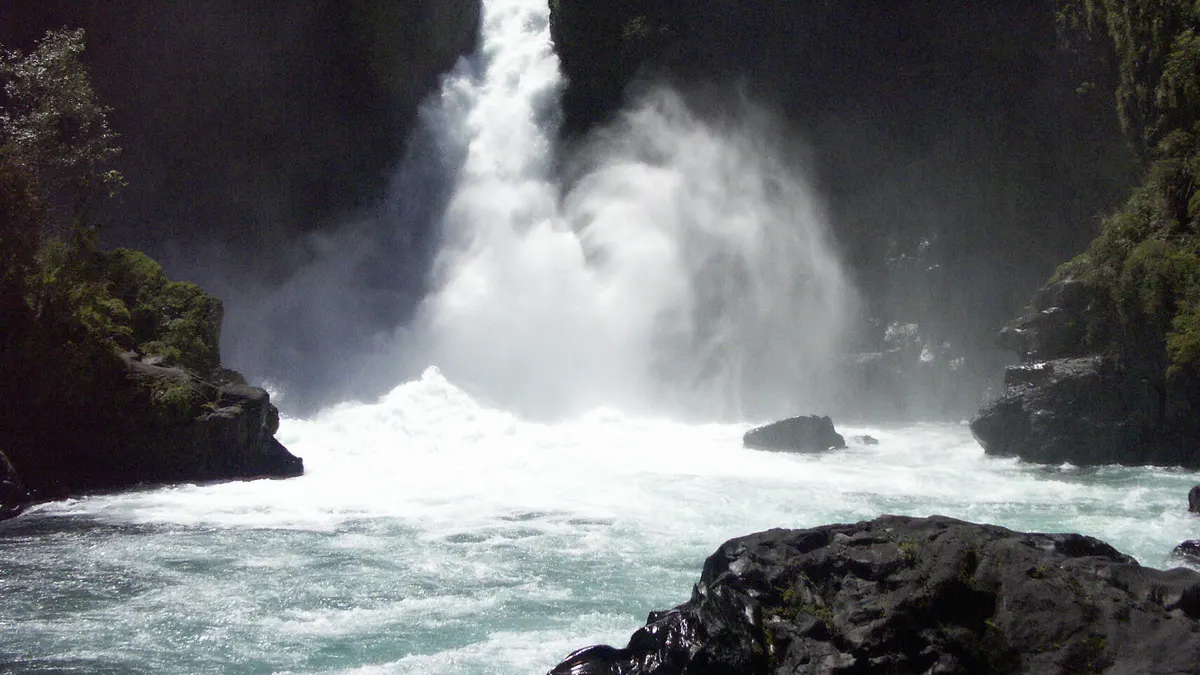
The eastern end of the municipality is the wildest. Neltume is a former timber town now betting on community tourism, and a few kilometres away is the Huilo Huilo Biological Reserve, with its waterfalls and forest-shaped hotels. Puerto Fuy offers rafting, kayaking, fly fishing and canyoning on the Fuy River, and guided ascents of Mocho-Choshuenco volcano.
From Puerto Fuy, a ferry crosses Lake Pirehueico to Puerto Pirehueico, the only way to the Hua Hum border pass and San Martín de los Andes in Argentina. These are the schedules and fares published by El Mostrador in January 2026:
| Puerto Fuy-Puerto Pirehueico ferry | Detail |
|---|---|
| High season | 10 January to 31 March: 5 or 6 daily departures each way |
| Low season | 1 April to 9 January: 2 or 3 daily departures each way |
| High-season departures from Puerto Fuy (Saturday and Sunday) | 08:00, 09:00, 12:30, 13:30, 17:00 and 18:00 |
| Non-resident adult | CLP 1,150 per crossing |
| Car or pickup | CLP 20,760 per crossing |
| Motorcycle | CLP 6,340 per crossing |
| Children under 7 and students with a TNE card | Free |
In summer, demand for car spaces is high: get to the pier early and check the status of the border pass beforehand. If you are driving a rental car and plan to cross into Argentina, you need the rental company's permit; the requirements are in our guide to renting a car in Chile.
Weather and when to visit the Seven Lakes
Panguipulli has a rainy temperate climate. The Chilean Meteorological Office station at Pichoy airfield in Valdivia, about 80 km away, is a good reference: between 2016 and 2025 the mean temperature was 16.4 °C in January and 6.8 °C in July, and summer saw days above 30 °C. Always pack rain gear and a warm layer for the evening, even in summer.
View the data as a table
| Highest maximum of the month | Mean temperature | Lowest minimum of the month | |
|---|---|---|---|
| Jan | 32.3 °C | 16.4 °C | 2.3 °C |
| Feb | 34.0 °C | 16.3 °C | 2.0 °C |
| Mar | 28.6 °C | 13.7 °C | -0.1 °C |
| Apr | 23.9 °C | 11.1 °C | -0.9 °C |
| May | 18.5 °C | 8.8 °C | -1.2 °C |
| Jun | 15.6 °C | 7.3 °C | -2.6 °C |
| Jul | 15.0 °C | 6.8 °C | -3.1 °C |
| Aug | 16.9 °C | 7.5 °C | -2.6 °C |
| Sep | 21.4 °C | 8.6 °C | -2.4 °C |
| Oct | 25.1 °C | 10.5 °C | -1.1 °C |
| Nov | 27.6 °C | 13.1 °C | 0.5 °C |
| Dec | 30.5 °C | 15.1 °C | 1.7 °C |
| Season | What Panguipulli is like |
|---|---|
| December to February | High season: long, mild days, lake beaches open and more ferry departures from 10 January |
| March and April | Fewer people and forests turning red and gold, ideal for hiking |
| May to August | Cold and frequent rain; hot spring season |
| September to November | Green spring, lower prices and some services still closed |
Compiled by Viajando Chile with DMC data and Chile Travel, which highlights autumn for the colour of the forests.
How to get to Panguipulli
| From | How | Distance or time |
|---|---|---|
| Pichoy airfield (Valdivia) | Car or transfer | About 80 km, 1 h 30 min |
| La Araucanía airport (Temuco) | Car or transfer | About 130 km, 2 h |
| Santiago | Direct bus | 809 km, from about 8 hours |
| San Martín de los Andes (Argentina) | Hua Hum pass and ferry across Lake Pirehueico | Depending on ferry schedules |
Sources: Chile Travel (transfers from the airports, on paved roads via Lanco) and Kupos (bus from Santiago, checked on 7 November 2026). Pucón is close to Panguipulli: if you want to add Villarrica volcano, we compare excursions and prices in our guide to tours in Pucón. To continue to the coast, see things to do in Valdivia.
Frequently asked questions
What are the seven lakes of Panguipulli?
Panguipulli, Calafquén, Riñihue, Neltume, Pirehueico, Pullinque and Pellaifa, all within the municipality, according to Chile Travel.
How many days do you need in Panguipulli?
Three days are enough for the town, Coñaripe and a hot spring, plus Huilo Huilo and Puerto Fuy. If you want to cross into Argentina via Hua Hum, add a day because of the ferry schedules.
Can you swim in Lake Panguipulli?
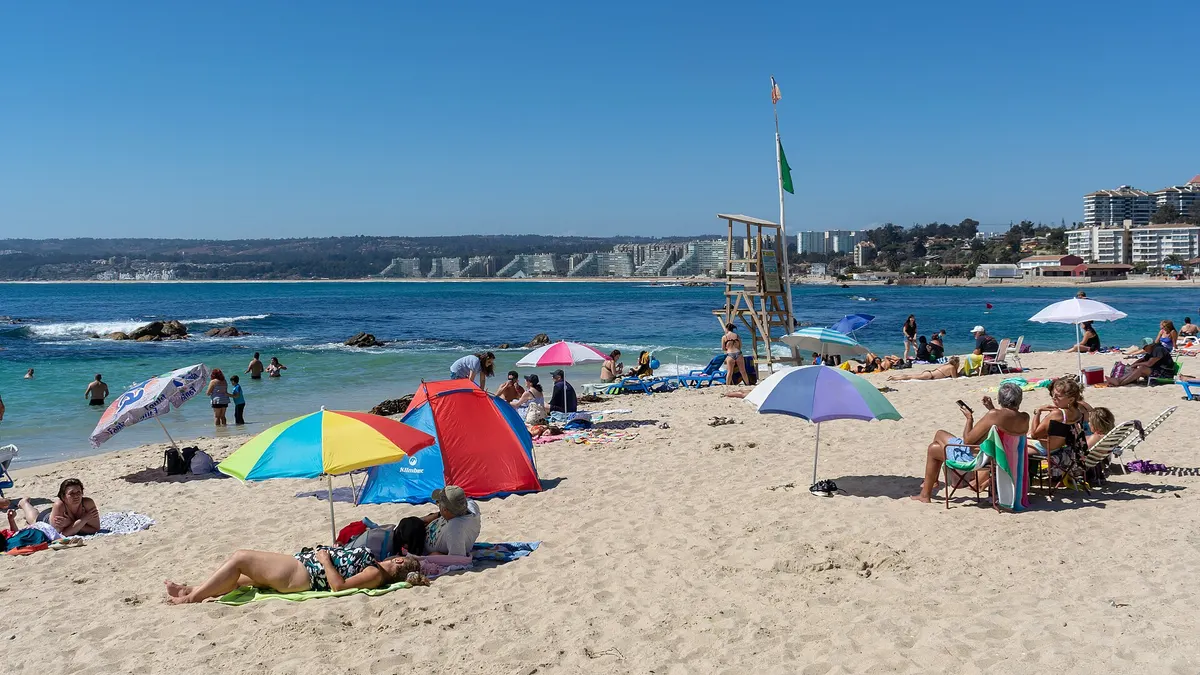
Yes, in summer there are beaches in town and at other lakes, such as Coñaripe beach on Lake Calafquén. The water is cold: Lake Riñihue, for example, reaches about 20 °C in summer. Only swim where there are lifeguards.
How much is the Puerto Fuy ferry?
According to the fares published in January 2026, CLP 1,150 per non-resident adult and CLP 20,760 per car, each way. Check before travelling, as fares are adjusted.