Arica, Chile's northernmost city, is known as "the city of eternal spring" for its mild year-round climate. According to Guinness World Records, it is also the driest inhabited place on the planet, with 0.76 mm of rain a year. With 241,653 residents in the 2024 census and about 18 km from the Peruvian border, it combines beaches, history and the oldest artificially mummified human remains in the world. Here is how to organize things to do in Arica.
Things to do in Arica: the essentials
| Must-see | Where | Time |
|---|---|---|
| Climb the Morro de Arica | Downtown, above the port | 1 to 2 hours |
| San Miguel de Azapa Archaeological Museum | Azapa Valley, about 12 km away | 2 to 3 hours |
| Colón 10 site museum | Downtown, at the foot of the Morro | 45 minutes |
| San Marcos Cathedral | Plaza Colón | 20 minutes |
| Anzota caves | Southern coast of the city | 2 hours |
| Chinchorro, El Laucho and La Lisera beaches | Seafront | Half a day |
The Morro de Arica
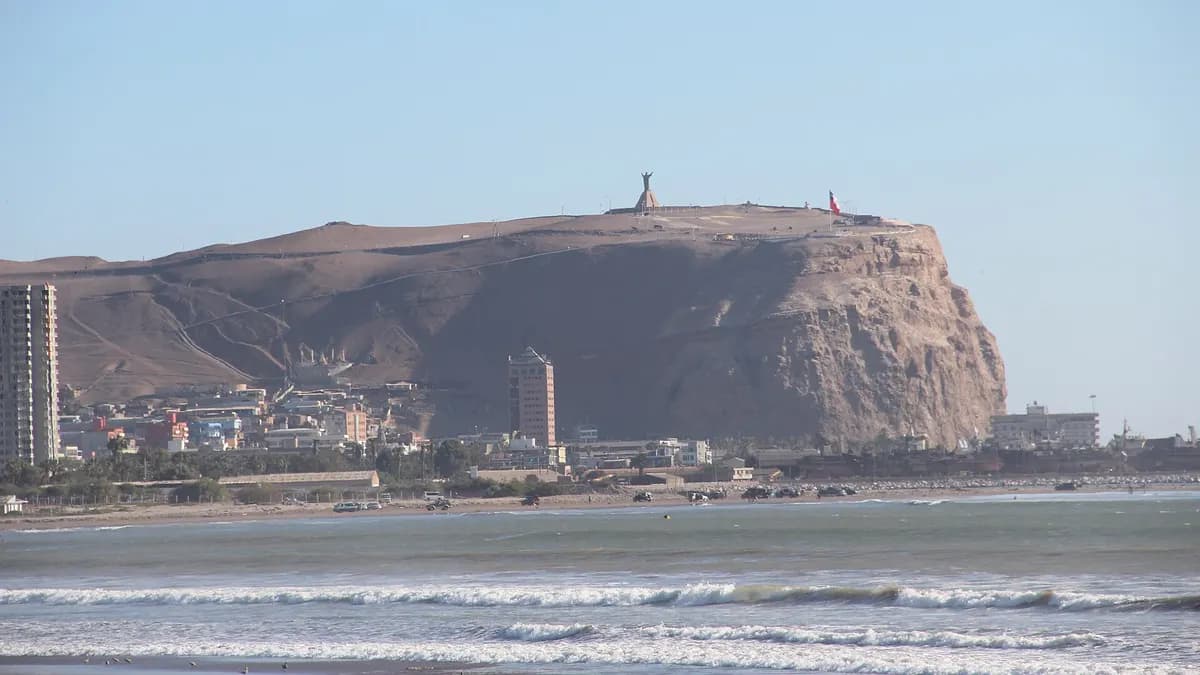
The Morro de Arica, a headland about 139 meters above the sea, towers over the city. On June 7, 1880, it was the site of the assault and capture of the Morro, one of the decisive battles of the War of the Pacific. At the top there is a viewpoint, a huge Chilean flag and the History and Arms Museum. You can walk up a path from downtown or drive; sunset over the Pacific is the best time.
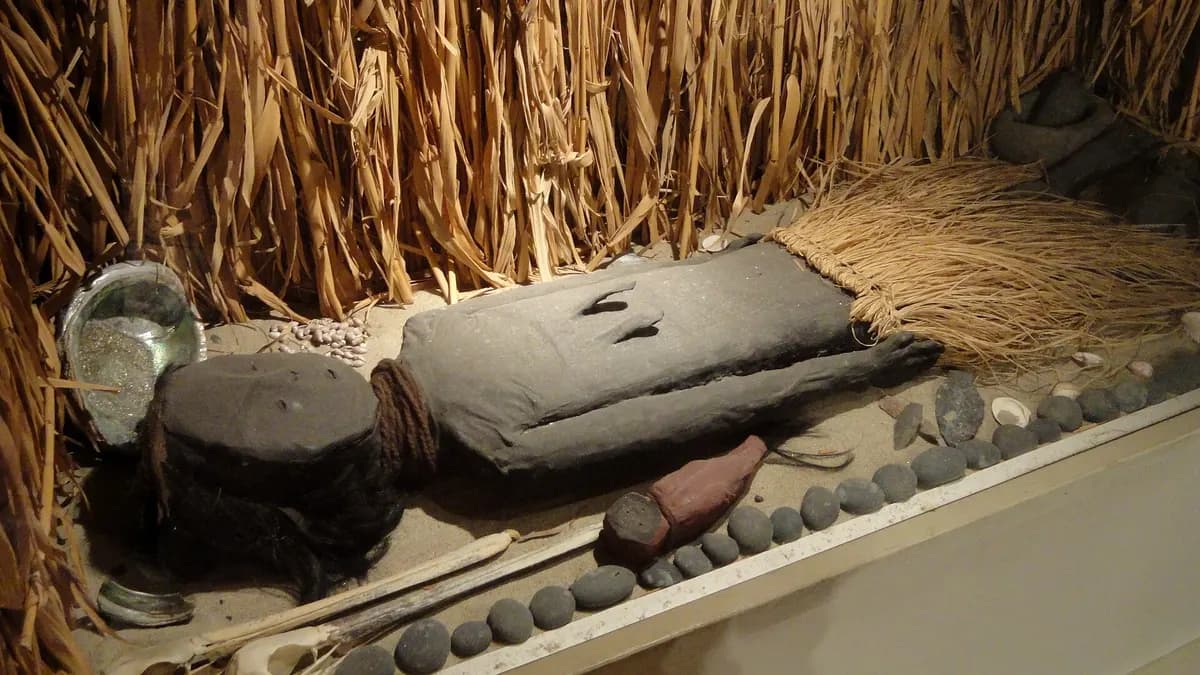
The Chinchorro mummies, a World Heritage site in Arica
The Chinchorro culture artificially mummified its dead thousands of years before the Egyptians. In 2021 UNESCO inscribed the Settlement and Artificial Mummification of the Chinchorro Culture in the Arica and Parinacota Region on the World Heritage List. You can see them in two places: the San Miguel de Azapa Archaeological Museum, run by the Universidad de Tarapacá in the Azapa Valley, and the Colón 10 site museum, downtown, where the bodies are viewed under an acrylic floor in the same spot where they were found, according to Chile Travel.
Downtown Arica and San Marcos Cathedral
On Plaza Colón stands San Marcos Cathedral, a metal church from the 1870s attributed to the workshop of French engineer Gustave Eiffel. A few blocks away is the old Customs House, built by the Peruvian government after the 1868 earthquake and now a cultural center. The 21 de Mayo pedestrian street links the area with the port and the fishing terminal, where sea lions wait for fish scraps.
Does your hotel, tour or restaurant in Arica want to reach travelers planning northern Chile?
See advertising optionsArica's beaches and the Anzota caves
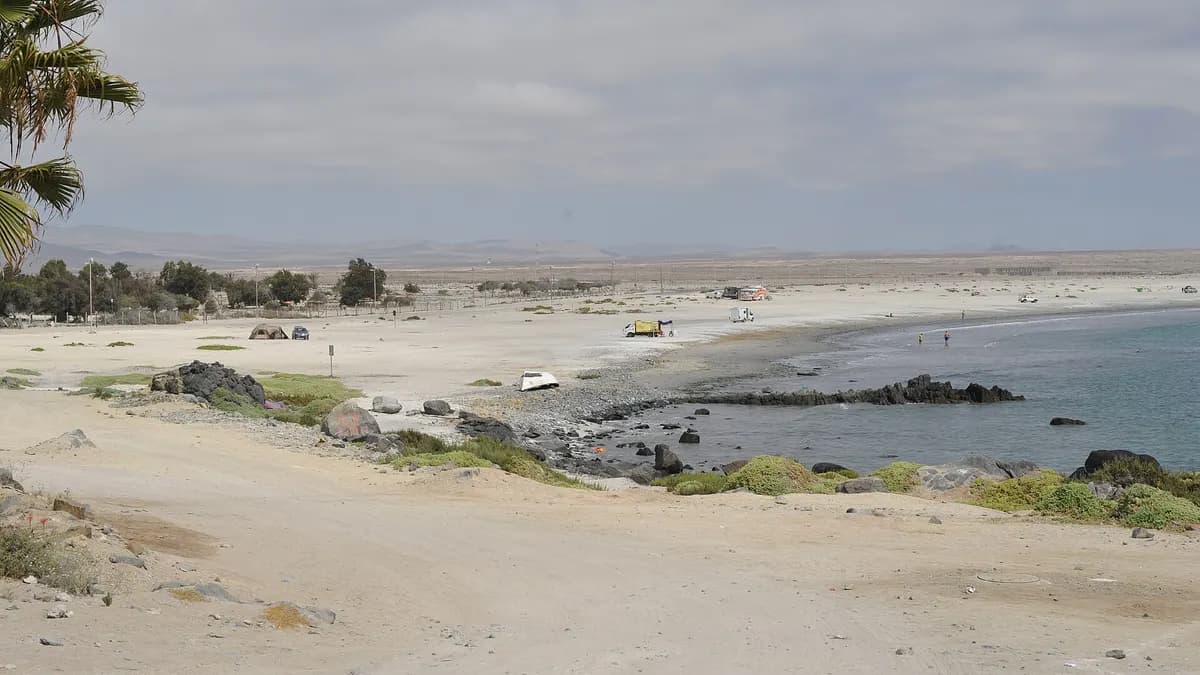
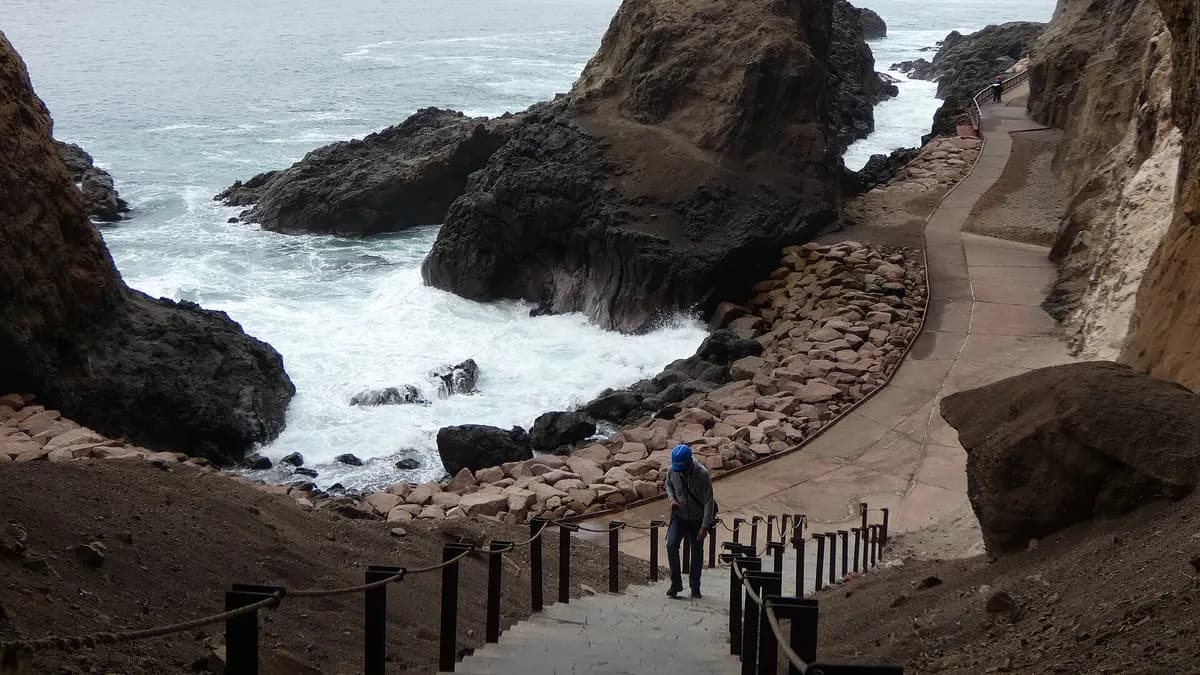
Arica has more than 20 km of beaches and is a big-wave surf destination. For swimming, the calmest are Chinchorro, to the north, and El Laucho and La Lisera, south of the Morro. Further on are the Anzota Caves, a coastal path among cliffs, caverns and seabirds, where a helmet is mandatory and handed out at the entrance. Our guide to surfing in Chile is also useful.
| Beach | Best for | Location |
|---|---|---|
| Chinchorro | Swimming, calm water | North of the city |
| El Laucho | Families, close to downtown | South of the Morro |
| La Lisera | Swimming, small and sheltered | South of the Morro |
| Anzota Caves | Coastal walk and photography | Far south |
| Day | Morning | Afternoon |
|---|---|---|
| 1 | Colón 10 site museum and San Marcos Cathedral | Climb the Morro and sunset at El Laucho |
| 2 | San Miguel de Azapa Archaeological Museum | Anzota Caves |
| 3 | Early departure to Putre | Acclimatization in Putre |
| 4 | Lake Chungará and Lauca National Park | Return to Arica |
Day trips from Arica: Azapa, Putre and Lake Chungará
The Azapa Valley is famous for its olives and its archaeological museum. Toward the Andes, Route 11 climbs to Putre and Lauca National Park, with Lake Chungará at 4,517 meters and the Parinacota and Pomerape volcanoes. Because of the altitude, it is best to sleep in Putre before going to the lake. In 2025 Lauca recorded 5,395 visits, according to the Conaf spreadsheet we analyzed in our ranking of Chile's most visited national parks.
How to get to Arica and when to go
Chacalluta International Airport is about 18.5 km north of the city, with nonstop flights from Santiago. You can also arrive by bus from Iquique, which has its own guide in things to do in Iquique, or by crossing from Tacna, in Peru. Thanks to its climate, Arica can be visited all year; summer is hotter and busier, and in the highlands the January and February rains (the Altiplano winter) can cut roads. For the north in general, see our guide to the Atacama Desert.
Frequently asked questions
What to do in Arica in two days?
On day one, the Morro, Colón 10, the cathedral and a beach at sunset. On day two, the Azapa Museum in the morning and the Anzota Caves in the afternoon.
Where can you see the Chinchorro mummies?
At the San Miguel de Azapa Archaeological Museum, run by the Universidad de Tarapacá, and at the Colón 10 site museum, in downtown Arica.
Why is Arica called the city of eternal spring?
Because of its mild, stable climate all year, with very little temperature variation and almost no rain.