Chile's government declared a preventive emergency over the threat of red tide in the country's 15 coastal regions, in force from November 1, 2026 to June 30, 2027, the Ministry of the Interior announced on Tuesday, October 27. The measure does not ban eating or selling shellfish, and it does not mean there is red tide along the whole coastline: it aims to step up monitoring and coordination before the summer, according to CNN Chile and BioBioChile.
The Ministry linked the risk to the El Niño phenomenon for the 2026-2027 summer. Coordination will be led by the National Disaster Prevention and Response Service (Senapred), the technical agencies and the Regional Committees for Disaster Risk Management. For tourists, the practical rule does not change: eat shellfish only at authorized establishments and respect any closures ordered by each region's health authority.
Which regions the red tide preventive emergency covers
| Area | Regions included | Coastal tourist destinations |
|---|---|---|
| North | Arica y Parinacota, Tarapacá, Antofagasta, Atacama | Arica, Iquique, Mejillones, Bahía Inglesa |
| North-central | Coquimbo, Valparaíso | La Serena, Tongoy, Viña del Mar, Valparaíso |
| South-central | O'Higgins, Maule, Ñuble, Biobío | Pichilemu, Constitución, Cobquecura, Concepción |
| South | La Araucanía, Los Ríos, Los Lagos | Puerto Saavedra, Niebla, Puerto Montt, Chiloé |
| Far south | Aysén, Magallanes y la Antártica Chilena | Puerto Aysén, Puerto Natales, Punta Arenas |
Source: Ministry of the Interior, via CNN Chile and BioBioChile (October 27, 2026). These are all of the country's regions with a coastline; the only one left out is the Santiago Metropolitan Region. In force: November 1, 2026 to June 30, 2027. The destinations column is for reference only.
"It does not necessarily mean an active outbreak," the government clarified, according to CNN Chile. In the Coquimbo Region, academic Cristián Araya, of Universidad de La Serena, told Mi Radio that "it is a preventive state, an alert" and that "we can perfectly well keep eating seafood" as long as the health authority does not report toxins.
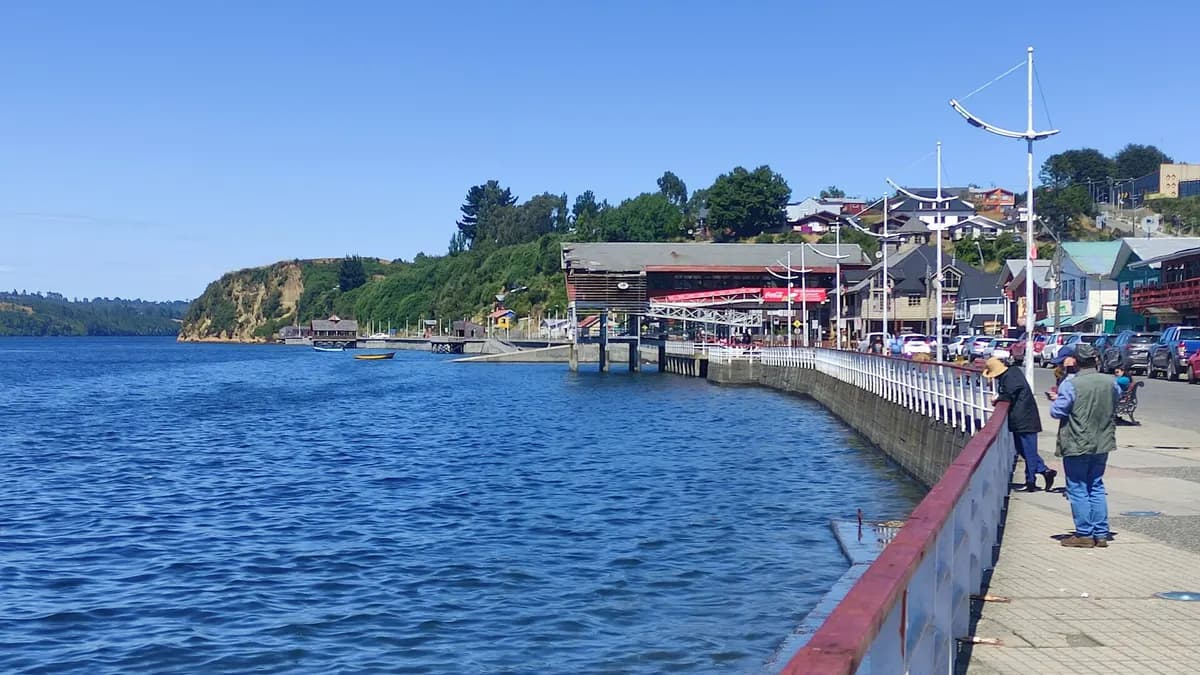
Where there is a red tide closure today: Terao bay, in Chiloé
The trigger was a specific case. On Friday, October 23, the Los Lagos Regional Health Office (Seremi de Salud) ordered the preventive closure of part of Terao bay, in Chonchi, because paralytic shellfish poison (PSP) exceeded the legal limit, through Exempt Resolution 25206/2026, 24horas reported.
| Item | Detail | Source |
|---|---|---|
| Location | Polygon in Terao bay, municipality of Chonchi (Chiloé) | Seremi de Salud Los Lagos |
| Toxin | Paralytic shellfish poison (PSP) | 24horas, Oct. 23 |
| Level detected | 100 micrograms per 100 grams of meat | El Insular, Oct. 27 |
| Limit for human consumption | 80 micrograms per 100 grams | El Insular, Oct. 27 |
| Product affected | Mussel farming area (mytilids) | El Insular, Oct. 27 |
| Status as of October 27 | Closure in force, with monitoring until the toxin level falls | El Insular, Oct. 27 |
Sources: 24horas (October 23) and El Insular (October 27). The provincial presidential delegate for Chiloé, Fernando Bórquez, said the problem is limited to that polygon and asked people to eat shellfish only at certified places.
Do you run a seafood eatery, a restaurant or coastal tours? Reach travelers planning their summer, in four languages.
See advertising optionsHow to eat shellfish safely during a red tide
Red tide is the proliferation of microalgae that produce toxins. Those toxins build up in shellfish that filter water to feed, and the risk can be neither seen nor smelled. These are the recommendations repeated by the authorities, according to CNN Chile and 24horas:
| What to do | Why |
|---|---|
| Buy and eat shellfish only at establishments with health authorization | Products sold there must come from controlled areas |
| Do not gather shellfish from beaches, rocks or closed areas | The authority closes areas when toxins exceed the standard |
| Do not rely on the color of the water | The sea may not change color and still contain toxins |
| Do not believe that cooking shellfish makes it safe | Cooking, frying or freezing does not remove the toxins |
| Go to the emergency room if you feel tingling in your lips or tongue, dizziness or difficulty breathing | These are symptoms of poisoning, which can be fatal in severe cases |
The shellfish that accumulate the most toxins are filter-feeding bivalves: mussels (choritos), clams, surf clams (machas), cholga mussels, oysters and scallops, according to CNN Chile and Mi Radio. In practice, the risk for tourists lies in gathering shellfish on their own or buying from informal beach vendors, not in an established restaurant or eatery.
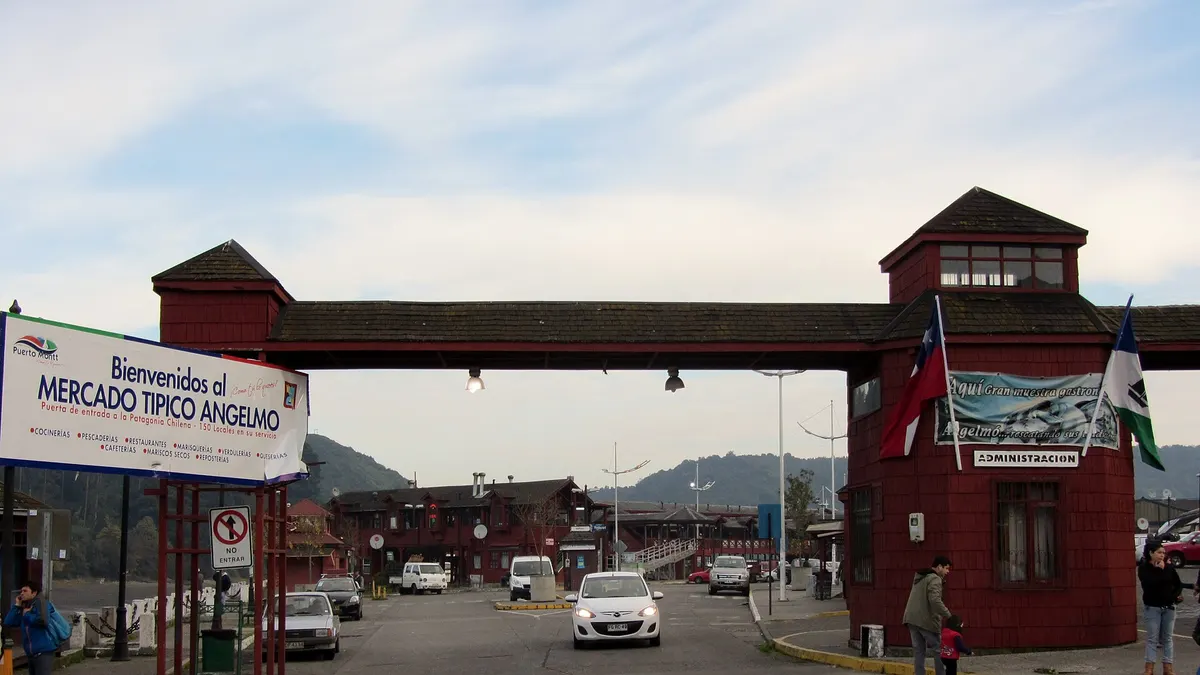
What red tide means for a trip to Chiloé or the coast this summer
- Curanto and Chiloé's seafood are still on the menu: restaurants and eateries work with products from controlled areas. If you are traveling to the island, see our guide to Chiloé's oysters and seafood and to curanto.
- If you rent a cabin and want to gather shellfish: ask the municipality or the Regional Health Office whether the beach is open before collecting surf clams or clams.
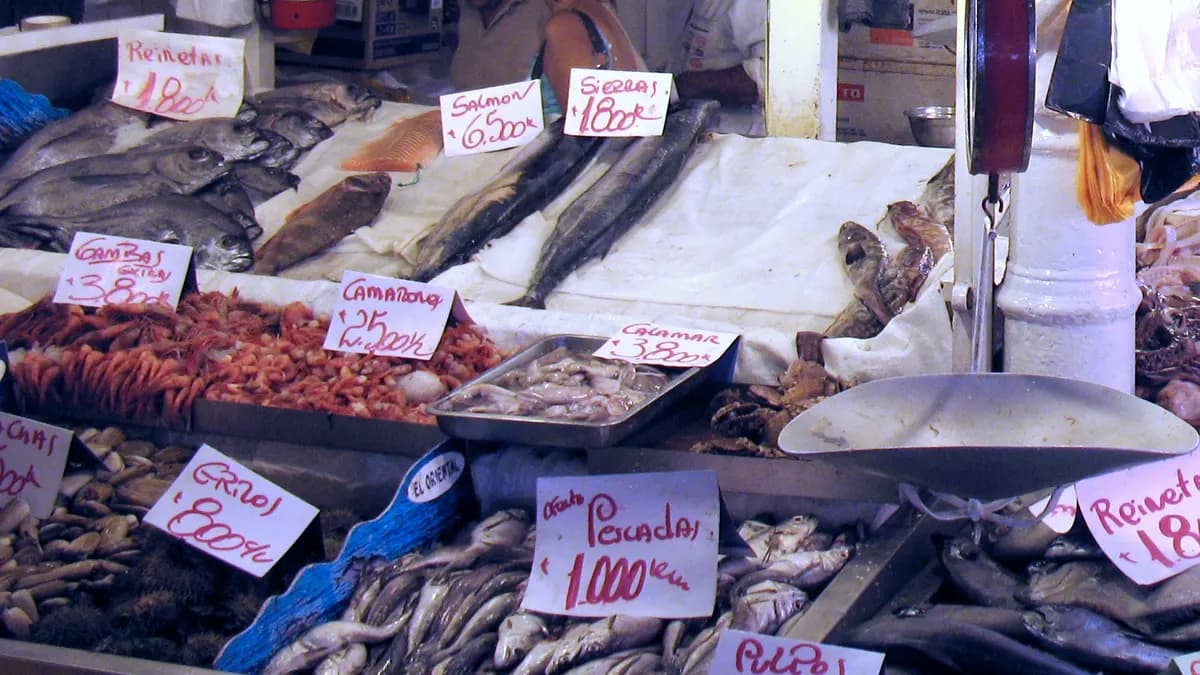
- In Santiago: the Mercado Central sells products that go through health controls; the rule is the same: established vendors.
- Follow regional notices: closures are ordered by each region's health authority based on monitoring, and they can change from one week to the next.
The preventive emergency does not close beaches or restrict swimming, and no official source had reported consumption bans outside Terao bay as of October 29, 2026. If you are traveling with children or older adults, take the same precautions and choose fish or shellfish from establishments with a visible health permit.
Frequently asked questions
Can you eat shellfish in Chile during the red tide emergency?
Yes. The preventive emergency does not ban the consumption or sale of shellfish. The advice is to eat it only at authorized establishments and not to take it from closed areas.
How long does the preventive emergency last?
From November 1, 2026 to June 30, 2027, in the country's 15 coastal regions.
Where is there red tide right now?
As of October 27, 2026, the reported closure was in a polygon of Terao bay, in Chonchi (Chiloé), because of paralytic poison in mussels.
Does cooking shellfish get rid of red tide toxins?
No. Cooking, frying or freezing shellfish does not remove the toxins, according to the recommendations issued by the authorities.