*Updated on 22 November 2026.*
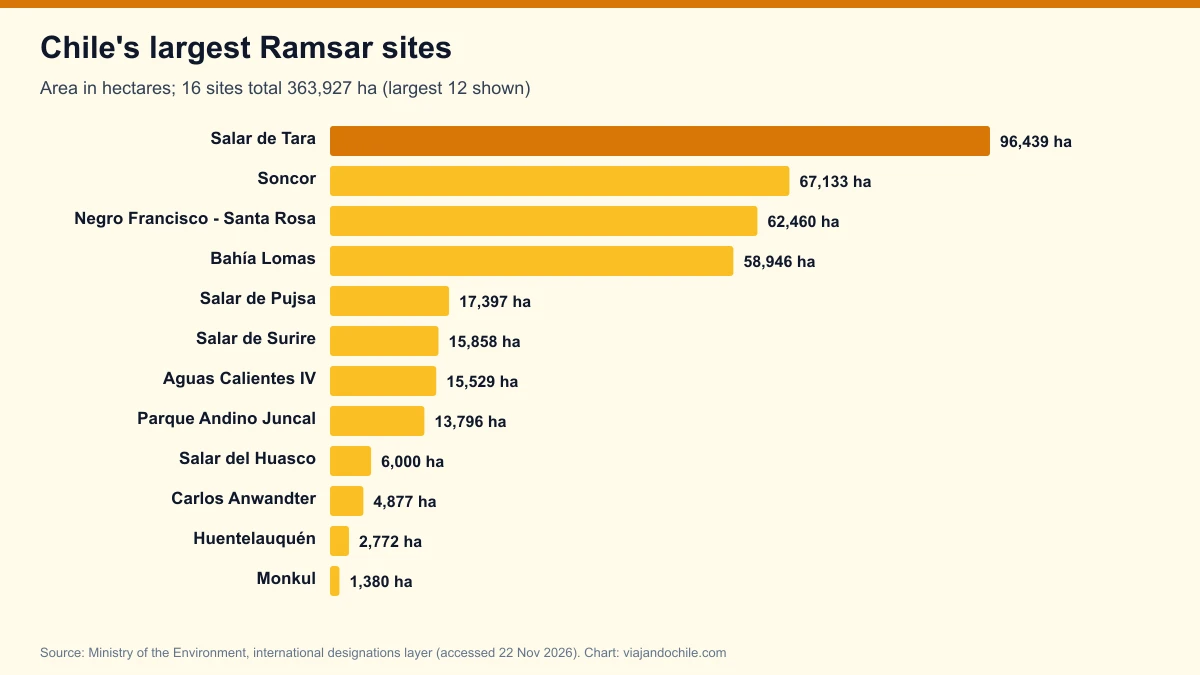
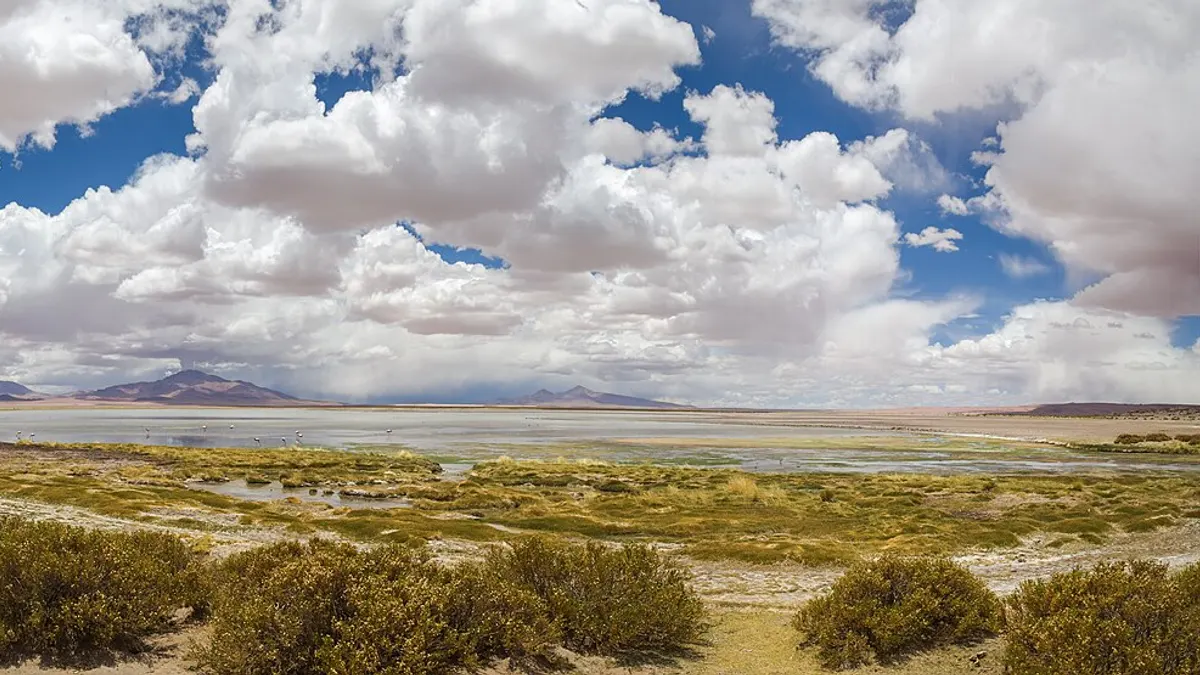
Chile's largest Ramsar site is the Tara salt flat, in the Antofagasta Region, with 96,439 hectares; the smallest is Conchalí lagoon, in Los Vilos, with 34. Chile has 16 wetlands recognised as internationally important under the Ramsar Convention, together covering 363,927 hectares, according to the Ministry of the Environment's official designations layer. Antofagasta, with four high-Andean salt flats, holds 54.0% of that area.
The Ramsar Convention, signed in Iran in 1971, protects wetlands that are key for waterbirds. Chile designated its first site in 1981, the Carlos Anwandter sanctuary on the Cruces river in Valdivia, and its latest in 2020, the wetland at the mouth of the Limarí river, according to the list of Ramsar sites in Chile, which cites the Convention's official list.
View the data as a table
| Ramsar sites | 16 |
| Hectares in total | 363,927 |
| Tara salt flat, the largest | 96,439 ha |
| Regions with Ramsar sites | 9 |
Ranking of Chile's Ramsar sites by area
| # | Ramsar site | Region | Area (ha) | Designated |
|---|---|---|---|---|
| 1 | Tara salt flat | Antofagasta | 96,439 | 1996 |
| 2 | Soncor hydrological system (Atacama salt flat) | Antofagasta | 67,133 | 1996 |
| 3 | Negro Francisco and Santa Rosa lagoons lake complex | Atacama | 62,460 | 1996 |
| 4 | Bahía Lomas | Magallanes | 58,946 | 2004 |
| 5 | Pujsa salt flat | Antofagasta | 17,397 | 2009 |
| 6 | Surire salt flat | Arica y Parinacota | 15,858 | 1996 |
| 7 | Aguas Calientes IV salt flat | Antofagasta | 15,529 | 2009 |
| 8 | Parque Andino Juncal | Valparaíso | 13,796 | 2010 |
| 9 | Huasco salt flat | Tarapacá | 6,000 | 1996 |
| 10 | Carlos Anwandter Sanctuary (Cruces river) | Los Ríos | 4,877 | 1981 |
| 11 | Las Salinas de Huentelauquén | Coquimbo | 2,772 | 2015 |
| 12 | Monkul wetlands | La Araucanía | 1,380 | 2020 |
| 13 | Limarí river wetland, from Salala to the mouth | Coquimbo | 527 | 2020 |
| 14 | El Yali wetland | Valparaíso | 520 | 1996 |
| 15 | Tongoy Bay coastal wetlands | Coquimbo | 259 | 2018 |
| 16 | Conchalí lagoon | Coquimbo | 34 | 2004 |
| Total | 363,927 |
Sources: area from the "SuperficieDecreto" field of the Ministry of the Environment's Other Designations layer (accessed 22 November 2026); year of designation from the Wikipedia list, based on the Ramsar Convention list. The Surire and Huasco salt flats were in Tarapacá when designated; Surire is now in Arica y Parinacota.
Chile's Ramsar sites by region
Antofagasta has the largest area thanks to its salt flats; Coquimbo has the most sites (four), though all small and coastal. Nine of Chile's 16 regions have at least one:
View the data as a table
| Salar de Tara | 96,439 |
| Soncor | 67,133 |
| Negro Francisco - Santa Rosa | 62,460 |
| Bahía Lomas | 58,946 |
| Salar de Pujsa | 17,397 |
| Salar de Surire | 15,858 |
| Aguas Calientes IV | 15,529 |
| Parque Andino Juncal | 13,796 |
| Salar del Huasco | 6,000 |
| Carlos Anwandter | 4,877 |
| Huentelauquén | 2,772 |
| Monkul | 1,380 |
| Río Limarí | 527 |
| El Yali | 520 |
| Bahía Tongoy | 259 |
| Laguna Conchalí | 34 |
| Region | Sites | Area (ha) | % of total |
|---|---|---|---|
| Antofagasta | 4 | 196,498 | 54.0% |
| Atacama | 1 | 62,460 | 17.2% |
| Magallanes | 1 | 58,946 | 16.2% |
| Arica y Parinacota | 1 | 15,858 | 4.4% |
| Valparaíso | 2 | 14,316 | 3.9% |
| Tarapacá | 1 | 6,000 | 1.6% |
| Los Ríos | 1 | 4,877 | 1.3% |
| Coquimbo | 4 | 3,592 | 1.0% |
| La Araucanía | 1 | 1,380 | 0.4% |
Viajando Chile calculation using the Ministry of the Environment layer. To compare with other protected areas, see Chile's largest national parks and its largest marine protected areas.
When each Ramsar site was designated
- 1981Carlos AnwandterChile's first Ramsar site.
- 1996Six sites at onceSurire, Huasco, Tara, Soncor, Negro Francisco - Santa Rosa, El Yali
- 2004Conchalí lagoon and Bahía Lomas
- 2009Aguas Calientes IV and Pujsa
- 2010Parque Andino Juncal
- 2015Las Salinas de Huentelauquén
- 2018Tongoy Bay wetlands
- 2020Monkul and Limarí river
1996 was the key year: Chile added six sites at once, five of them high-Andean salt flats or lagoons, habitat of the three flamingo species found in the country. Then came Bahía Lomas (2004), in Tierra del Fuego, a stopover for migratory shorebirds from the northern hemisphere, and the coastal wetlands of Coquimbo and La Araucanía between 2015 and 2020.
How to visit Chile's Ramsar sites
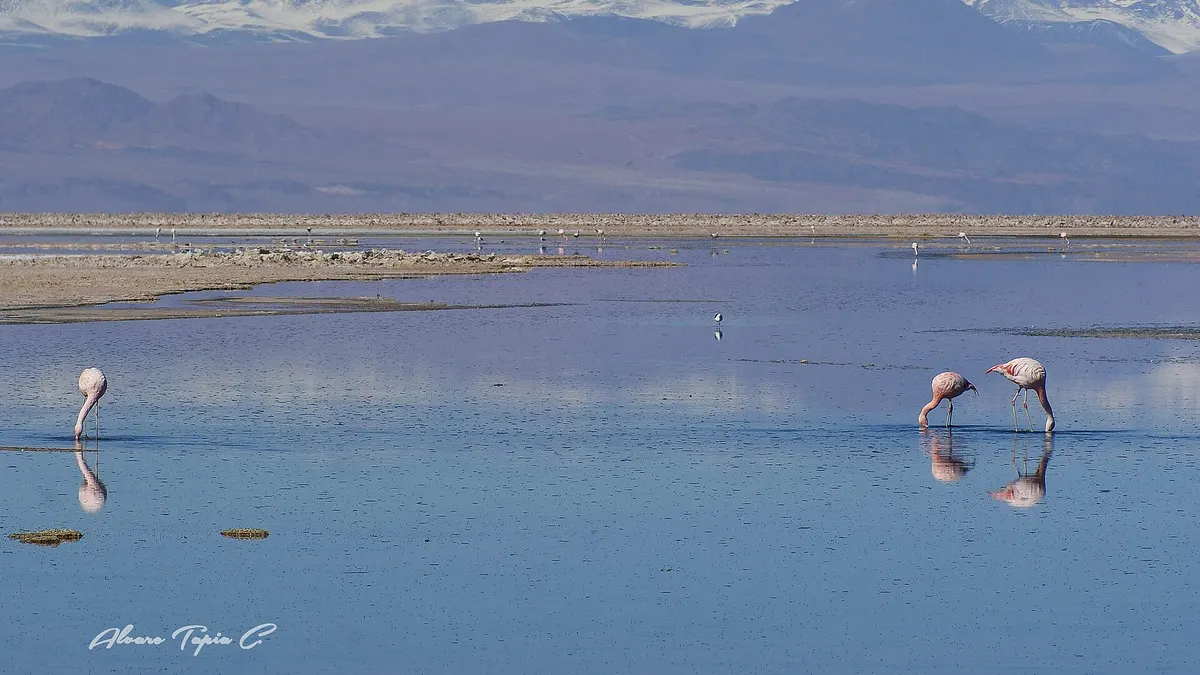
- Soncor system (Chaxa lagoon): inside Los Flamencos National Reserve, on the Atacama salt flat south of San Pedro, with a trail and flamingo viewpoints. Conaf recorded 78,083 visits to the reserve in 2025 according to its visitor data. More in what to do in San Pedro de Atacama.
- Tara salt flat: reached via route CH-27 towards the Jama pass, on full-day tours from San Pedro; it lies above 4,000 metres, so acclimatise first.
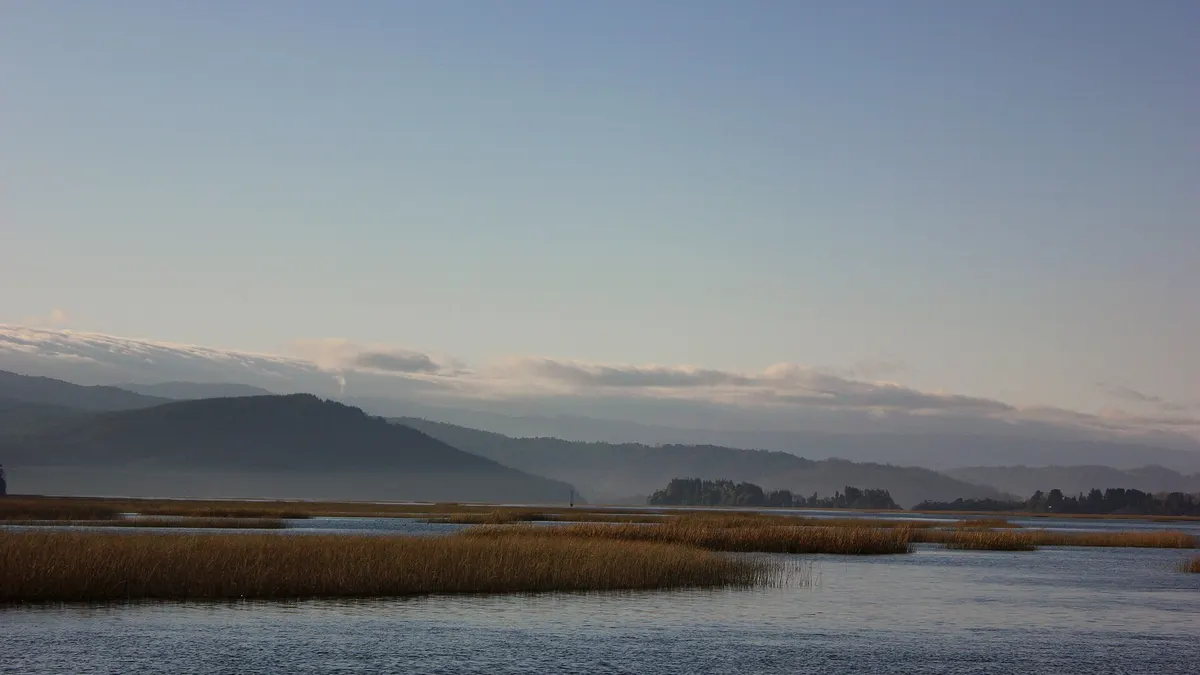
- Carlos Anwandter Sanctuary: explored on boat trips along the Cruces river from Valdivia. See what to do in Valdivia.
- El Yali wetland: in Santo Domingo, about two hours from Santiago, with birdwatching in the national reserve of the same name.
- Conchalí lagoon and Salinas de Huentelauquén: next to Route 5 North near Los Vilos, an easy stop on the way to La Serena.
- Bahía Lomas: in northern Tierra del Fuego, with no tourist infrastructure; visited with specialist birding guides.
Frequently asked questions
How many Ramsar sites does Chile have?
16, with a total area of 363,927 hectares, according to the Ministry of the Environment.
What is Chile's largest Ramsar site?
The Tara salt flat, in Antofagasta, with 96,439 hectares.
What was Chile's first Ramsar site?
The Carlos Anwandter nature sanctuary, on the Cruces river in Valdivia, designated on 27 July 1981.
Which region has the most Ramsar sites?
Coquimbo, with four. By area, Antofagasta leads with 196,498 hectares.
How to cite this data
Viajando Chile (2026). "Chile's 16 Ramsar sites in 2026: wetlands ranked by area, from the Tara salt flat to Conchalí lagoon". viajandochile.com, updated on 22 November 2026. https://viajandochile.com/en/news/ramsar-sites-in-chile-wetlands-ranking-by-area. Data: Ministry of the Environment (international designations layer) and Ramsar Convention.