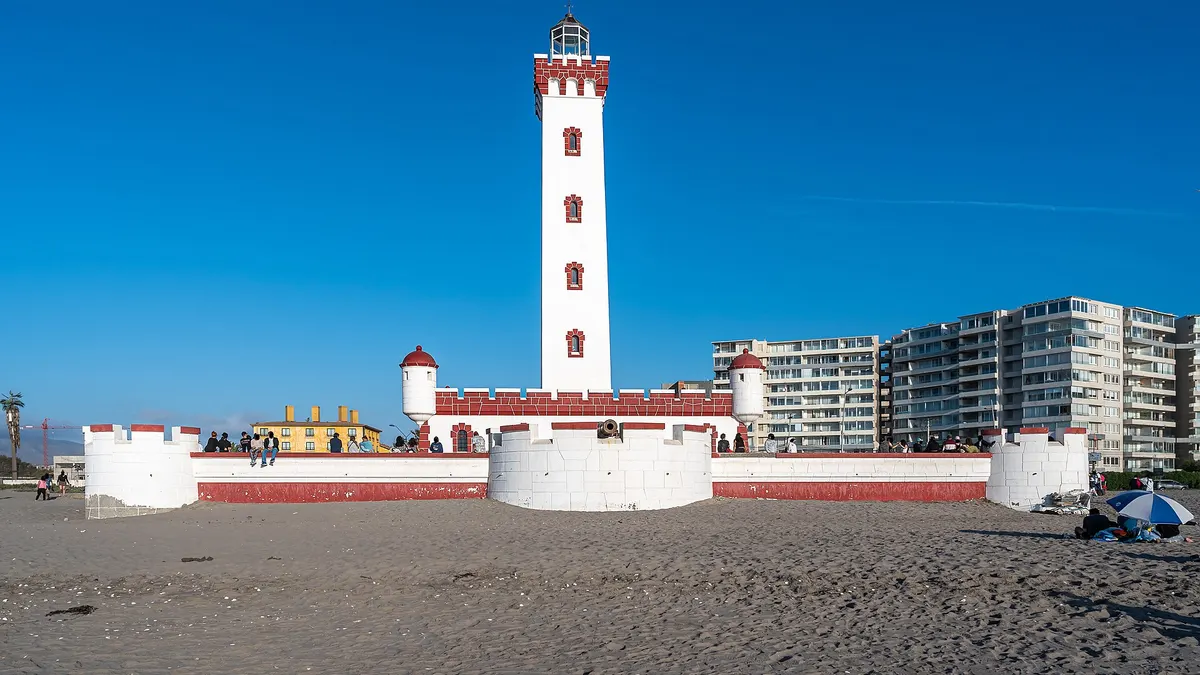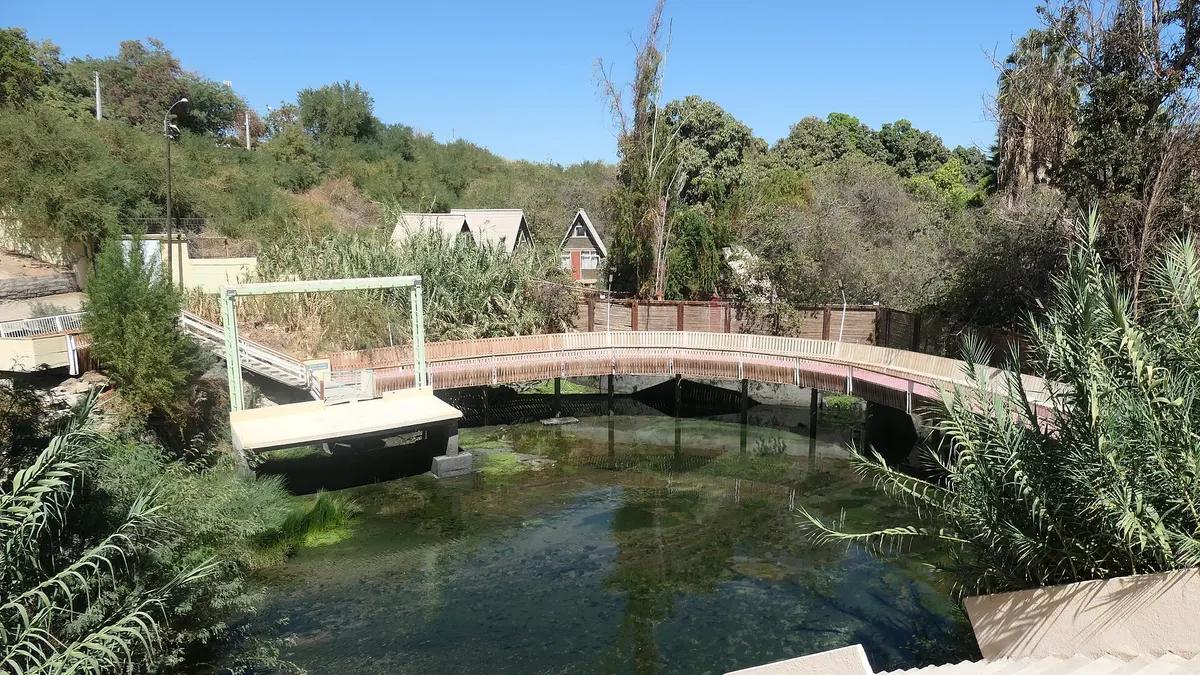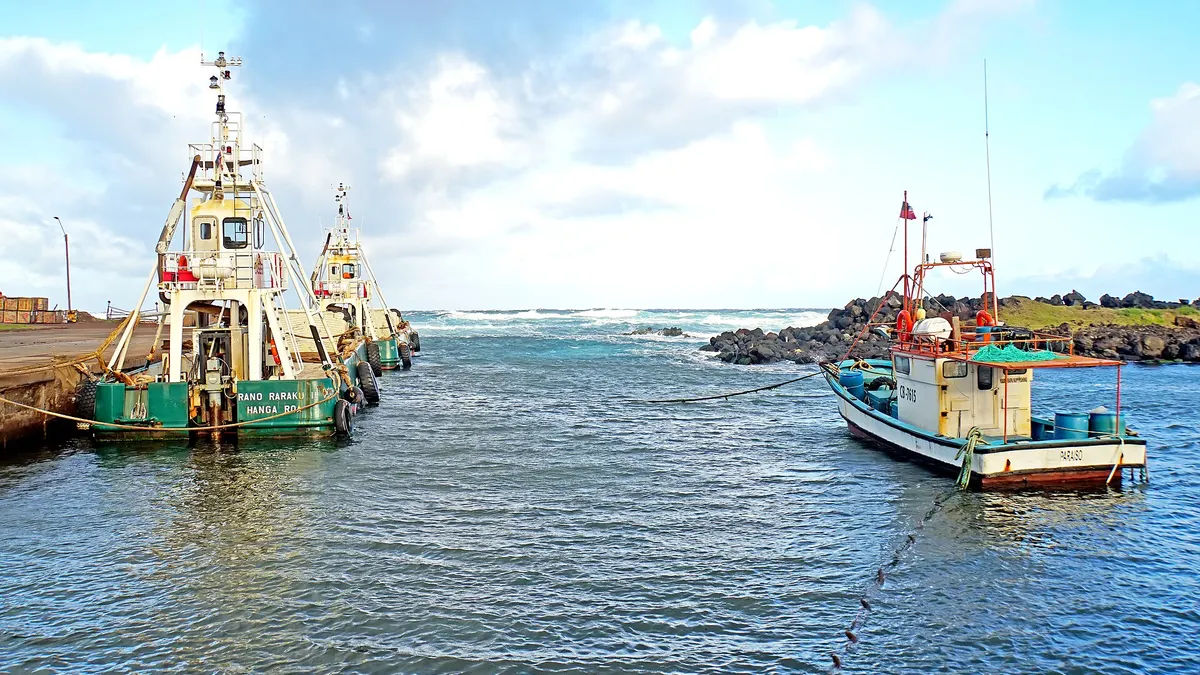
Quintero is a coastal town and commune in Chile's Valparaíso Region, 159 km from Santiago (about two hours by car), with a peninsula full of small coves and, to the south, Ritoque: a beach of about 7 km and the most important dune field on the central-northern coast of Chile, according to [Wikipedia](https://es.wikipedia.org/wiki/Ritoque). It has 31,923 residents (2017 census) and is one of the closest beach towns for people living in Santiago or Viña del Mar.
Its history is long: the bay is named after Alonso de Quintero, who arrived in 1536 in command of the ship Santiaguillo, and in 1822 Lord Cochrane and the writer Maria Graham lived here; she described the area in her *Journal of a Residence in Chile* (Wikipedia). Today it combines a family beach resort with the Quintero-Puchuncaví industrial park at Las Ventanas, known as a "sacrifice zone" and the scene of a serious gas poisoning episode in August 2018.
View the data as a table
| From Santiago | 159 km |
| Length of Ritoque beach | 7 km |
| Quintero residents | 31,923 |
| Bird species at Mantagua | 80 |
The beaches of Quintero
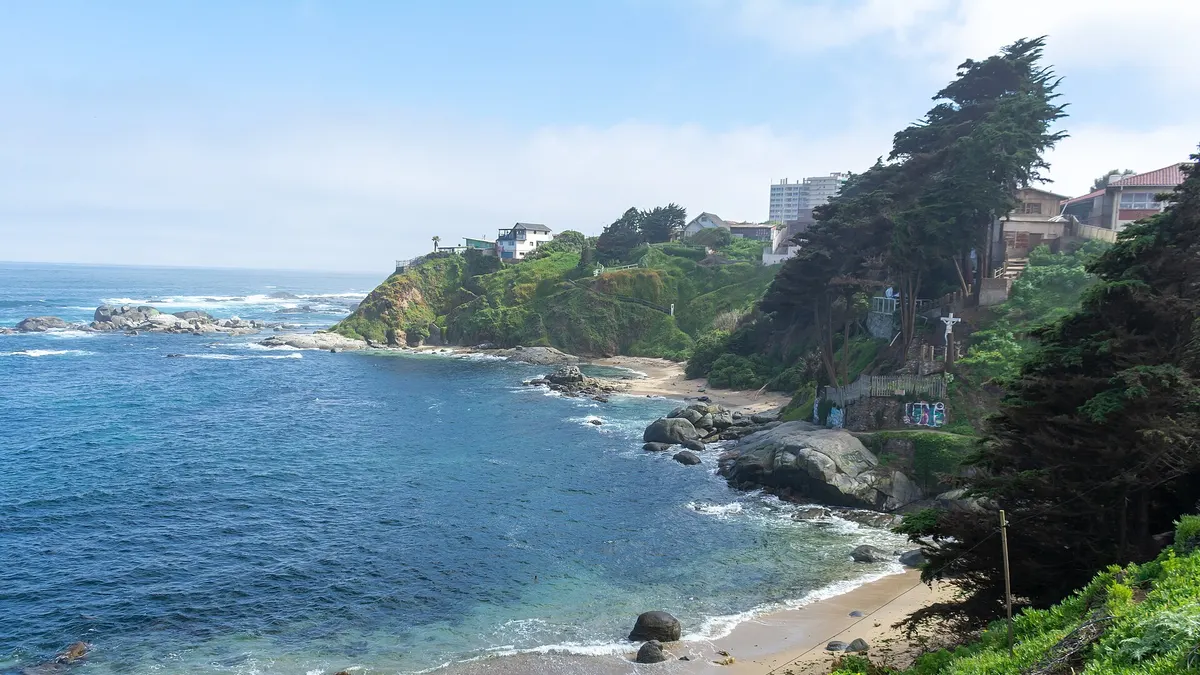
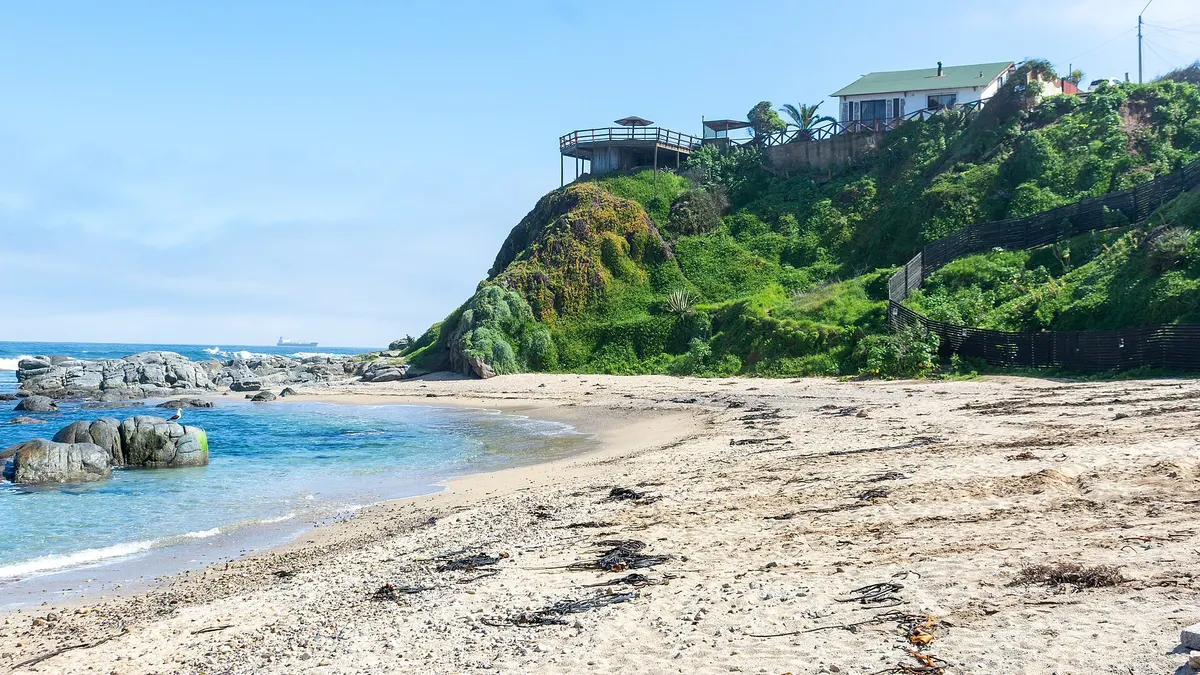
The Quintero peninsula is ringed by short coves between rocks, with houses on the hillside and calmer water than at Ritoque. The best known are El Libro, El Papagayo, La Tortuga, Los Enamorados, Las Conchitas, El Caleuche and El Durazno. Along the bay, towards Loncura, are El Manzano and Loncura beaches.
| El Libro | Quintero peninsula | Small rocky cove |
| El Papagayo | Quintero peninsula | Small rocky cove |
| La Tortuga | Quintero peninsula | Small rocky cove |
| Los Enamorados | Quintero peninsula | Small rocky cove |
| Las Conchitas | Quintero peninsula | Small rocky cove |
| El Caleuche | Quintero peninsula | Small rocky cove |
| El Durazno | Quintero peninsula | Small rocky cove |
| El Manzano | Bay, towards Loncura | Accessible beach with amphibious chairs |
| Loncura | Bay, towards Loncura | Bay beach |
| Ritoque | South of the commune | Long open-sea beach |
El Manzano accessible beach: at Avenida 21 de Mayo and Gregorio Arrieta, it offers amphibious chairs with staff to assist users, access ramps, and accessible changing rooms and toilets. In summer 2026 the chairs were available every day from 11:00 to 19:00, according to the Quintero municipality as quoted by En Cancha.
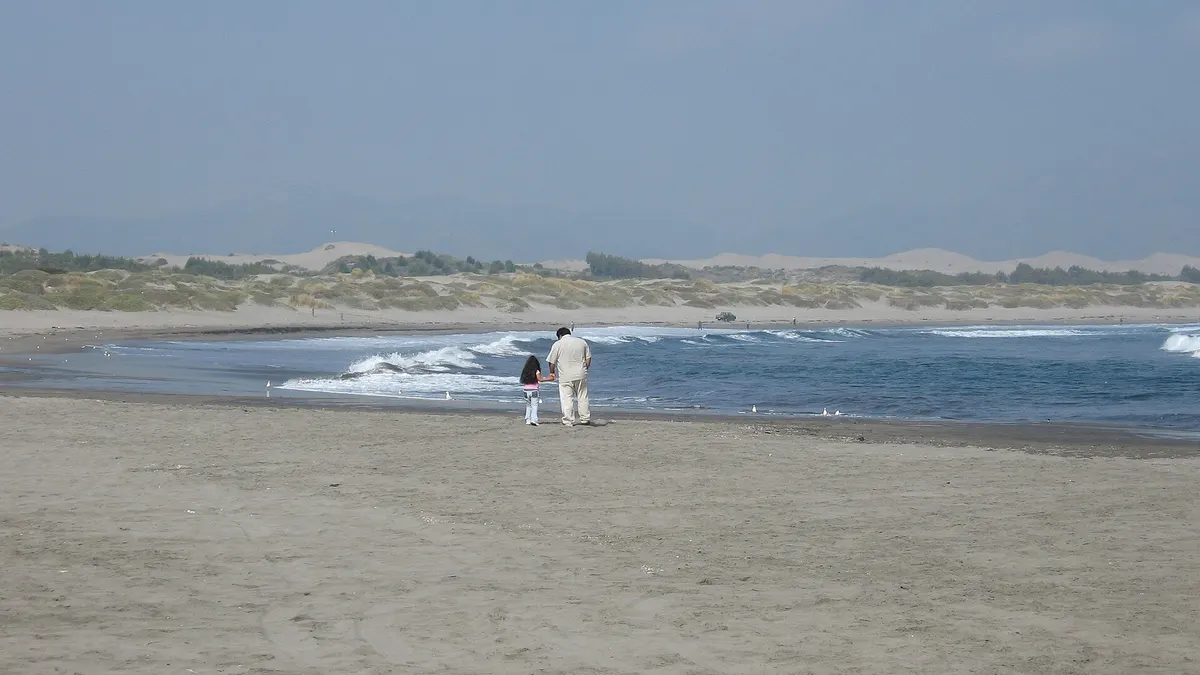
Ritoque: dunes, surf and wetland
Ritoque is a locality in the south of the Quintero commune. Its beach is about 7 km long and backed by a dune field 5 to 8 km wide, with active dunes up to 1,500 m from the shore and stabilized dunes that exceed 100 metres above sea level in places (Wikipedia). It is a regular spot for surfing, kitesurfing and windsurfing; our guide to surfing in Chile lists other spots in central Chile.
Swimming at Ritoque is dangerous. It is an open-sea beach with strong waves, and lifeguards are only present during the holidays. In February 2025 a 14-year-old Argentine tourist died after being dragged out to sea, reported Chilevisión. To swim with children, head to the peninsula's coves or El Manzano beach.
Next to the beach lies the Mantagua wetland, formed by the Quintero estuary and the Mantagua lagoon (formerly Ritoque lagoon), where up to 80 bird species have been recorded. At the southern end is the Ciudad Abierta de Amereida, an experimental architecture and poetry settlement linked to the School of Architecture of the Pontifical Catholic University of Valparaíso.
Things to do in Quintero and Ritoque
| Attraction | Where | What it is | Fact |
|---|---|---|---|
| Cove route | Quintero peninsula | Walk along small beaches between rocks | El Libro, El Papagayo, La Tortuga and more |
| Pirate's Cave (Cueva del Pirata) | Quintero peninsula | Coastal cave | Tradition links it to Francis Drake, who sheltered in the bay in 1578 |
| Cochrane House Museum | Valle Alegre | House with a collection and botanical garden | Cochrane bought the estate in 1820 |
| Underwater Christ | Quintero Bay | Underwater sculpture for divers | 4.5 m and 11 tonnes, 12 m deep |
| Ritoque dunes and beach | South of the commune | Open-sea beach and dunes | About 7 km of beach |
| Mantagua wetland | Ritoque | Wetland with a lagoon | Up to 80 bird species recorded |
| Ciudad Abierta de Amereida | Southern edge of Ritoque | Experimental architecture settlement | Linked to PUCV |
Source: Wikipedia: Quintero and Ritoque. The Cochrane House Museum and the Underwater Christ do not list hours or fees in these sources; check with the Quintero municipality before going.
- 1536The ship Santiaguillo arrivesCommanded by Alonso de Quintero, who gives the bay its name
- 1578Francis Drake shelters in the bay
- 1822Cochrane and Maria Graham live in Quintero
- 1865Decree creating the port and town24 November
- 1913Quintero port and resort railway company is founded
- 2018Gas poisoning episodeQuintero-Puchuncaví industrial zone
How to get to Quintero and Ritoque
By car, Quintero is 159 km from Santiago (2 hours), 47 km from Valparaíso and 40 km from Viña del Mar, according to OSRM route calculations. From Santiago, take Route 5 North and then the Nogales-Puchuncaví motorway. Ritoque is reached on the Quintero-Ritoque coastal road; in summer there is paid parking near the beach. There are also buses from Viña del Mar and shared taxis (colectivos) from Quintero, though services to Ritoque are irregular, and from Avenida Normandie it is about a 3.5 km walk (40 to 50 minutes).
Watch the summer traffic: between 1 January and 31 March 2026 the municipality regulated vehicle access to Ritoque and Loncura on route F-210 because of congestion, through mayoral decree 129. Before going in summer 2027, check whether the measure is repeated.
When to go to Quintero
Quintero has a mild, temperate climate. January and February have average highs of about 21 °C and almost no rain; June is the wettest month, with about 111 mm, according to the 2016-2025 average from Open-Meteo. October and November are the windiest months, good for kitesurfing and windsurfing at Ritoque but cold for swimming.
View the data as a table
| High | Low | |
|---|---|---|
| Jan | 20.6 °C | 13.3 °C |
| Feb | 20.8 °C | 13.5 °C |
| Mar | 20.0 °C | 12.3 °C |
| Apr | 17.8 °C | 10.5 °C |
| May | 16.3 °C | 8.9 °C |
| Jun | 14.9 °C | 7.6 °C |
| Jul | 14.2 °C | 6.7 °C |
| Aug | 14.8 °C | 7.4 °C |
| Sep | 15.7 °C | 8.0 °C |
| Oct | 16.7 °C | 9.0 °C |
| Nov | 18.5 °C | 10.7 °C |
| Dec | 19.6 °C | 12.1 °C |
| Season | Months | Pros | Cons |
|---|---|---|---|
| Summer | December to March | Sun, lifeguards and services open | Congestion and paid parking at Ritoque |
| Autumn | April and May | Almost empty beaches | Cold water and first rains |
| Winter | June to August | Big swells to watch from the shore | Wettest month: June |
| Spring | September to November | Wind for sailing sports | November is the windiest month |
Quintero compared with other nearby beaches
For other options on the region's northern coast, see Maitencillo, Cachagua, Zapallar and Papudo, or our comparison of the best beaches near Santiago. To the south, Ritoque borders the Concón dunes and Reñaca.
Frequently asked questions
How far is Quintero from Santiago?
159 km via Route 5 North and the Nogales-Puchuncaví motorway, about two hours by car.
Can you swim at Ritoque?
It is considered dangerous for swimming, with open-sea waves and lifeguards only during the holidays. The coves of the Quintero peninsula are calmer for a swim.
Which Quintero beach is best with children?
The peninsula's coves, such as El Caleuche or Los Enamorados, and El Manzano beach, which is also accessible.
Is Quintero a polluted area?
The commune shares the Las Ventanas industrial park with Puchuncaví, known as a "sacrifice zone", and in August 2018 there was a serious gas poisoning episode (Wikipedia). During critical episodes, follow the health authority's and the municipality's alerts.
What is the best month to visit Quintero?
January and February, for temperature and services. To avoid the crowds, March still has good weather with fewer people.