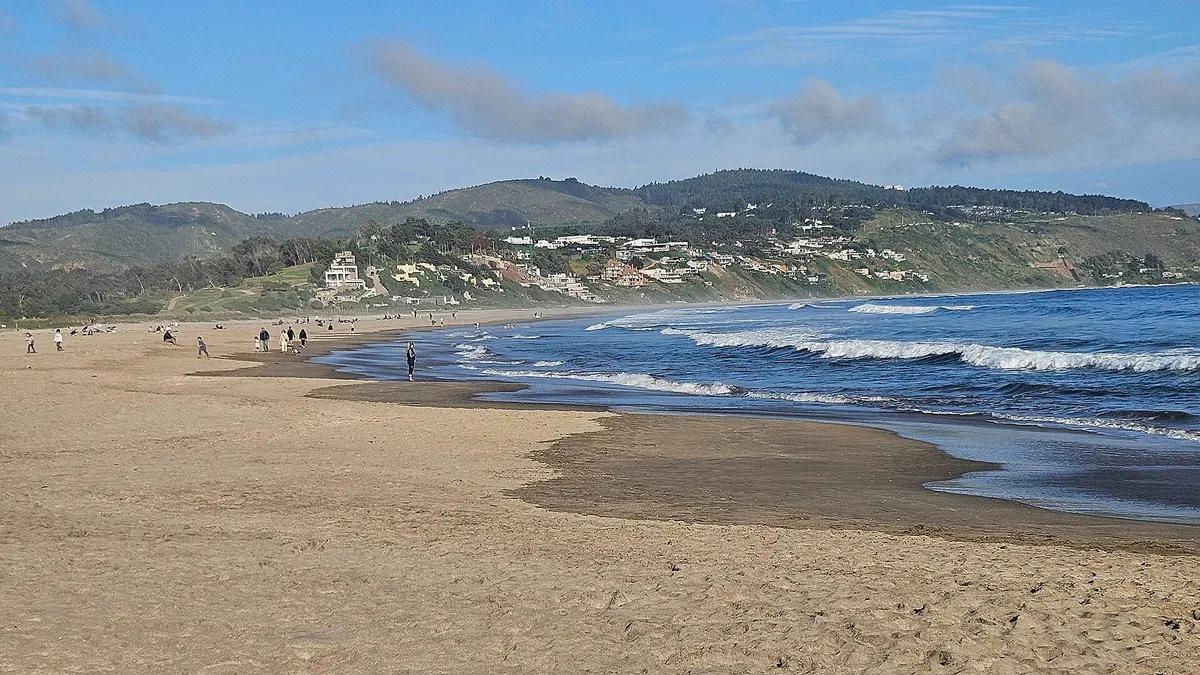
Cachagua is a beach village in the municipality of Zapallar, in Chile's Valparaíso Region, 165 km from Santiago, known for its beach of about 5 km and for the island off the coast where a colony of about 2,000 Humboldt penguins nests, according to [Conaf](https://www.conaf.cl/parque_nacionales/monumento-natural-isla-cachagua/). That island is the Isla Cachagua Natural Monument, covering 4.5 hectares, created on 27 June 1989.
It lies between Maitencillo to the south and Zapallar to the north, and its name comes from the Mapudungun for "place of pastures" (Wikipedia). This guide explains what to do, how to see the penguins without harming the colony, how to get there and when to go. For Las Cujas beach, at the northern end of Cachagua, see our guide to Zapallar and Las Cujas.
View the data as a table
| Humboldt penguins | 2,000 |
| Area | 4.5 ha |
| Distance from shore | 100 m |
| From Santiago | 165 km |
Cachagua's penguin island
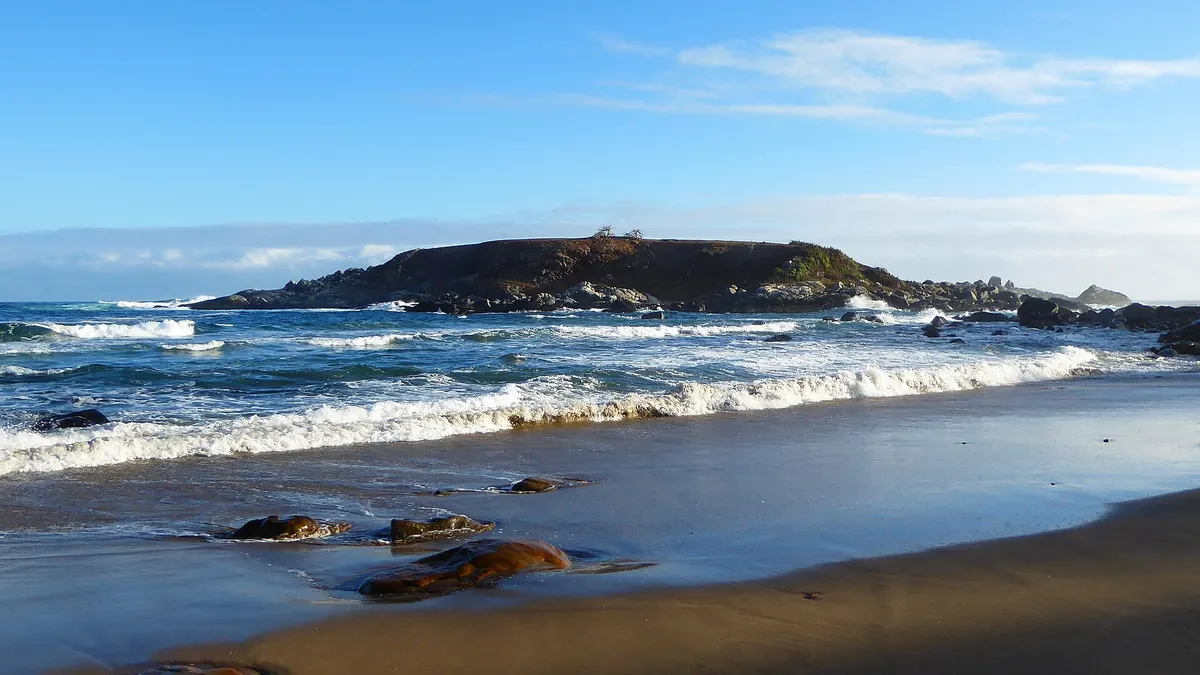
Isla Cachagua Natural Monument is an islet about 100 metres off the coast, with a maximum height of about 30 metres. It was declared a nature sanctuary in 1979 and a natural monument in 1989, and is managed by Conaf, Chile's forestry and parks agency (Conaf page).
- Humboldt penguin: a breeding colony of about 2,000 birds, according to Conaf. They breed in autumn and spring, and the spring season is the more successful.
- Other birds: pelicans, gulls and Neotropic cormorants.
- Marine otter (chungungo): sometimes seen on the rocks; it is scarce in the region.
- Plants: two cacti listed as vulnerable, the quisco and the quisquito.
Penguin figures differ between sources: the Municipality of Zapallar published a Conaf count of more than 180 birds (munizapallar.cl, undated). That is why the National Humboldt Penguin Census being prepared by Chile's Environment Ministry from Arica to Los Lagos matters (24 Horas, 16 November 2026), with a fund of 110 million pesos (El Urbano Rural). The last national census dates from 2017.
- 1979Nature sanctuary
- 27-06-1989Isla Cachagua Natural Monument4.5 hectares managed by Conaf
- 2017Last national Humboldt penguin census
- 2025Species listed as endangered
- 2026Species natural-monument decree withdrawn from the Comptroller
- 11-2026National census called, from Arica to Los Lagos
How to see the Cachagua penguins
Landing on the island is not allowed. The management plan forbids it because the colony is fragile, and Conaf receives no visitors and has no public facilities. There are two ways to see them:
| Option | Where | Keep in mind |
|---|---|---|
| From the shore | Playa Grande and the rocks of Cachagua | Bring binoculars; the island is about 100 m away |
| Boat trip | Zapallar fishing cove | Boats circle the island weather permitting; no landing |
Conaf rules for the area: no drones without authorization, no pets, no fire (Law 20,653), no feeding or disturbing wildlife and no removing plants or stones. Conaf also keeps an avian influenza warning in place: do not touch dead or sick birds and report them on 130 or to the regional office.
Things to do in Cachagua
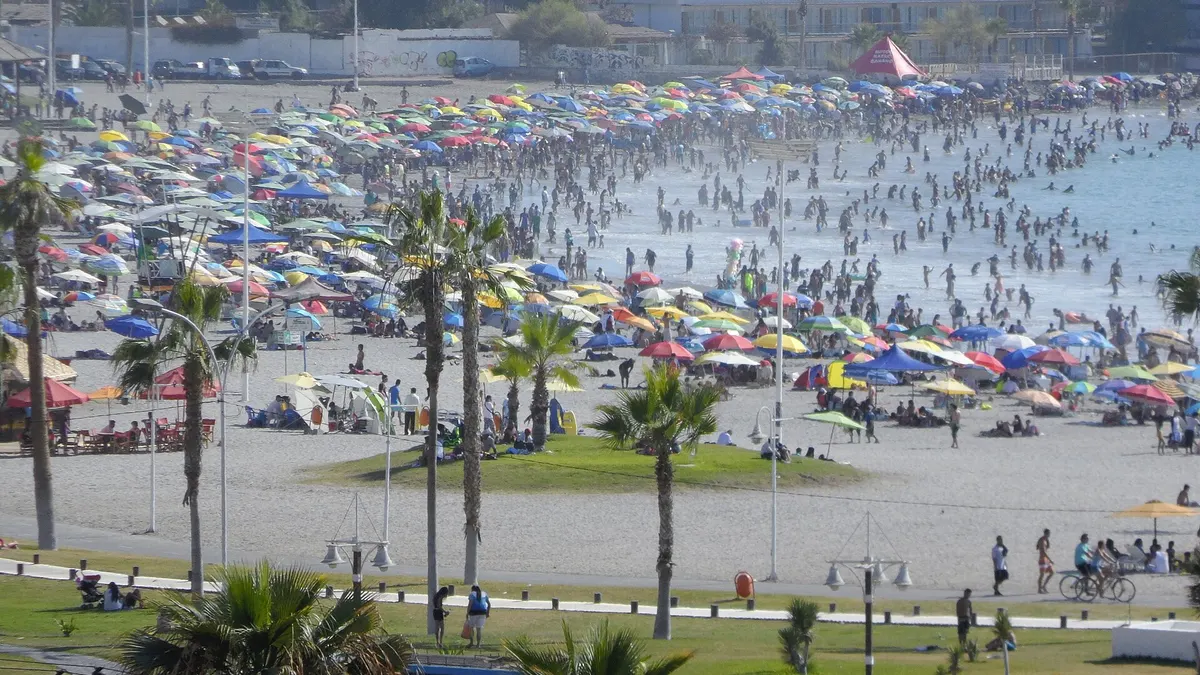
- Playa Grande de Cachagua: about 5 km of sand between Cachagua and Maitencillo. Some stretches have currents where swimming is not recommended; in summer the water is around 15 °C.
- Las Cujas: a small, calm beach with a fishing cove, north of Playa Grande.
- Piedras Preciosas: a spot reached on foot, known for its agates.
- Hills with sclerophyll forest: El Tigre and Los Cardones, nearby, for short walks.
- Explore the coast: Cachagua is a few minutes from Maitencillo and Papudo.
Source for beaches and spots: Wikipedia. Another Humboldt penguin colony you can visit by boat is at the Humboldt Penguin National Reserve, in the Coquimbo Region.
How to get to Cachagua from Santiago
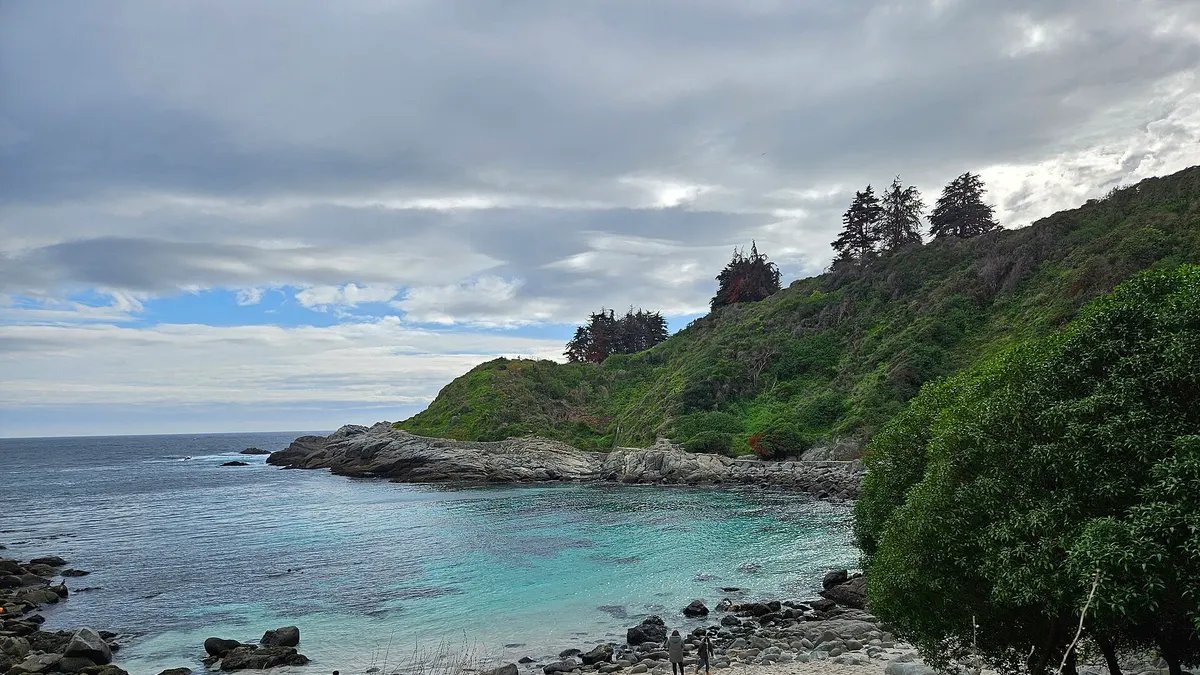
| From | Distance | Route | Approx. time |
|---|---|---|---|
| Santiago | 165 km | Route 5 North, Nogales bypass (F-20) and F-30-E | 2 h 45 min |
| Viña del Mar | 66 km | F-30-E along the coast | 1 h 20 min |
| Valparaíso | 75 km | F-30-E along the coast | 1 h 30 min |
Source: Conaf. By bus, companies running from Santiago to Zapallar and Papudo use the coastal F-30-E road; ask the company whether they stop in Cachagua. For more beaches within a few hours of the capital, see our list of beaches near Santiago.
Cachagua weather and when to go
Summers in Cachagua are mild: in January and February the average high is about 21.5 °C and the low about 14 °C. Rain falls mostly from April to September, peaking in June (95 mm on average), according to the 2016-2025 Open-Meteo reanalysis. For penguin watching, spring coincides with the more successful breeding season.
View the data as a table
| High | Low | |
|---|---|---|
| Jan | 21.4 °C | 13.9 °C |
| Feb | 21.7 °C | 14.2 °C |
| Mar | 20.7 °C | 13.0 °C |
| Apr | 18.3 °C | 11.1 °C |
| May | 16.6 °C | 9.5 °C |
| Jun | 15.0 °C | 8.0 °C |
| Jul | 14.4 °C | 7.1 °C |
| Aug | 14.9 °C | 7.7 °C |
| Sep | 15.9 °C | 8.4 °C |
| Oct | 17.1 °C | 9.2 °C |
| Nov | 19.1 °C | 11.1 °C |
| Dec | 20.2 °C | 12.6 °C |
| Month | High (°C) | Low (°C) | Rain (mm) |
|---|---|---|---|
| January | 21.4 | 13.9 | 2.0 |
| April | 18.3 | 11.1 | 16.2 |
| June | 15.0 | 8.0 | 95.4 |
| October | 17.1 | 9.2 | 9.2 |
| December | 20.2 | 12.6 | 3.3 |
Source: Open-Meteo, ERA5 reanalysis, 2016-2025 average for Cachagua's coordinates. Model data, not from a weather station.
Frequently asked questions
Can you visit Cachagua's penguin island?
No. Isla Cachagua Natural Monument receives no visitors and landing is not allowed. You can watch from the shore or on boat trips from the Zapallar cove.
How many penguins are there in Cachagua?
Conaf reports a breeding colony of about 2,000 Humboldt penguins; a count cited by the Municipality of Zapallar mentions more than 180. The national census being prepared by the Environment Ministry should update the figure.
How far is Cachagua from Santiago?
165 km, about 2 hours 45 minutes by car on Route 5 North and the coastal F-30-E road, according to Conaf.
Can you swim at Cachagua beach?
Some stretches have currents where it is not recommended. Swim only where there are lifeguards and at beaches declared suitable by the Harbour Master for the season.