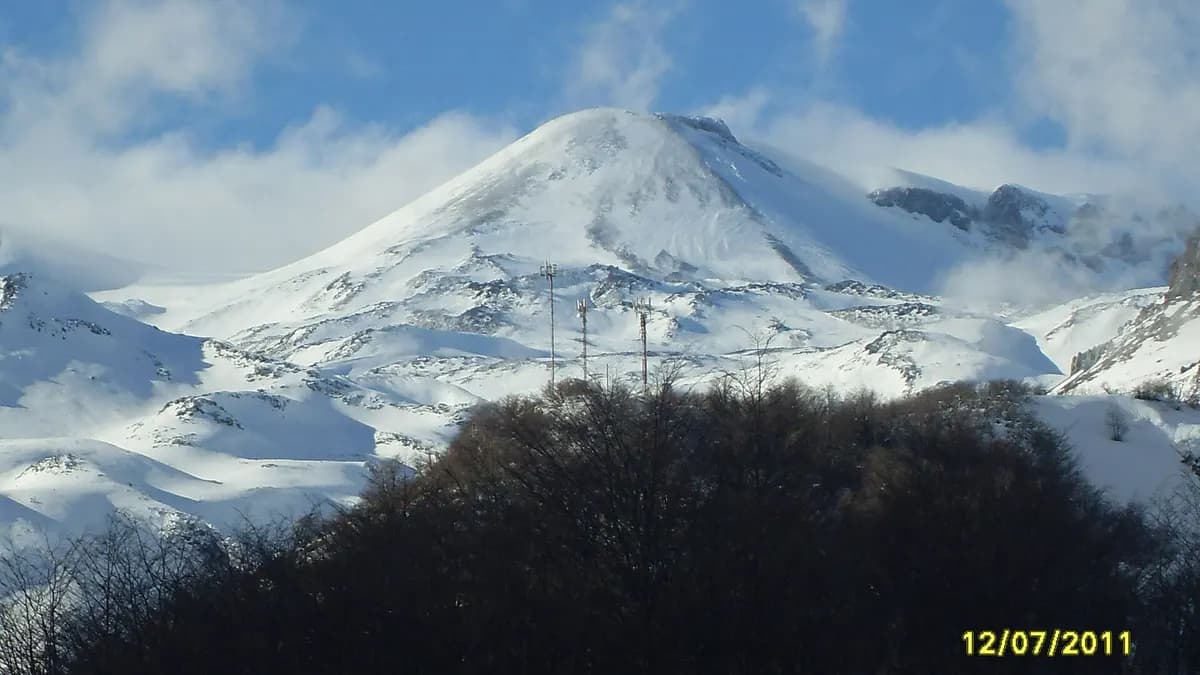
The Nevados de Chillán volcanic complex remains on yellow technical alert. On Tuesday, October 13, 2026 it recorded a new explosion with a column of material of about 600 metres dispersed to the south, according to the report by Chile's National Geology and Mining Service (Sernageomin) cited by La Discusión and BioBioChile. The safety perimeter remains at 2 kilometres around the emission centre.
The National Disaster Prevention and Response Service (Senapred) maintains the preventive early alert for the municipalities of Pinto and Coihueco, in place since June 15. Pinto is home to Las Trancas and the hot springs, the volcano's tourist area.
Nevados de Chillán activity in October
| Date | Event | Source |
|---|---|---|
| June 15, 2026 | Sernageomin raises the alert from green to yellow due to increased seismicity; Senapred declares a preventive early alert in Pinto and Coihueco | Radio Agricultura / Meganoticias |
| September 18 | Eruptive pulse 380 metres above the crater, dispersed to the south | Radio Agricultura |
| September 25-27 | New episode with ash; the safety perimeter is widened from 1 to 2 km | Radio Agricultura |
| October 2 | Sernageomin confirms a very slow-moving lava flow | Diario Concepción |
| October 13 | Explosion with a column of about 600 metres, dispersed to the south | La Discusión / BioBioChile |
| October 15 | The Buenos Aires VAAC reports weak, sporadic emissions | VolcanoDiscovery |
The lava flow was confirmed on October 2 by Álvaro Amigo, head of the National Volcano Monitoring Network, according to Diario Concepción. It is part of the eruptive cycle that began in June. Sernageomin does not rule out similar or more energetic events, but none of the reports consulted mention damage or evacuations.
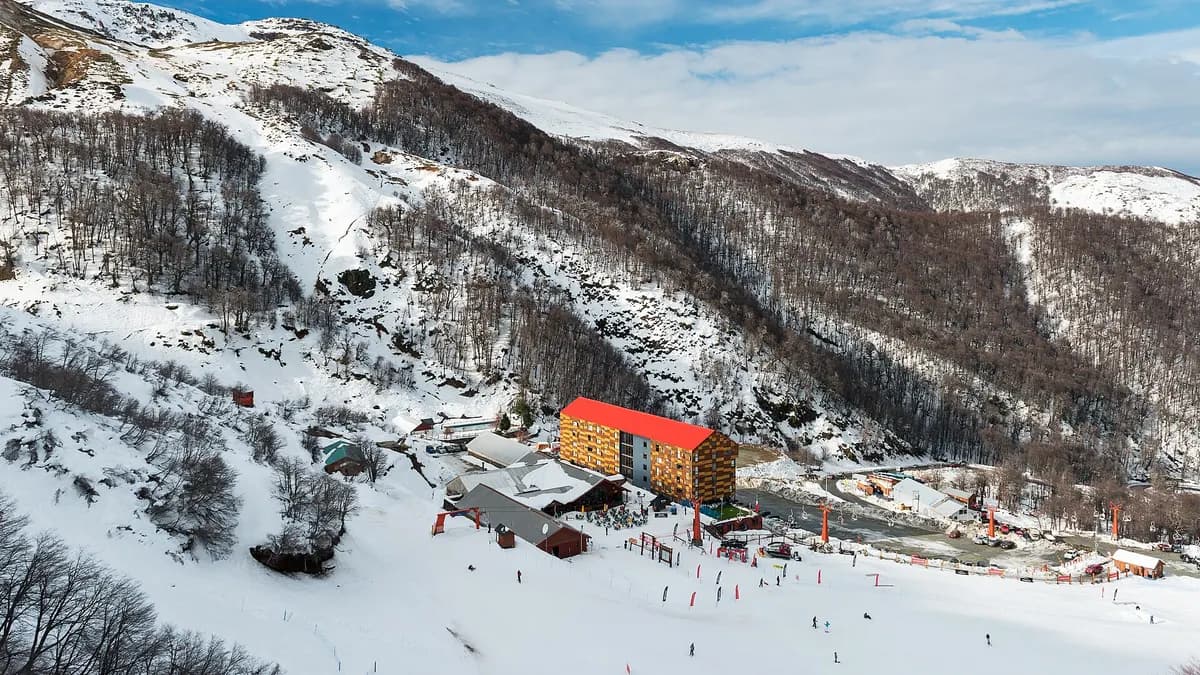
Does your cabin, hotel or tour in the Las Trancas valley want to reach travellers looking for reliable information?
See advertising optionsWhat the Nevados de Chillán yellow alert means for tourism
Sernageomin's yellow alert is a technical level: it signals changes in the volcano's behaviour and stepped-up monitoring. It is not an evacuation order. The concrete restriction for people is the 2-kilometre perimeter around the active crater, an uninhabited, hard-to-reach high-mountain area.
| Level | What it indicates | Current status |
|---|---|---|
| Green | Baseline volcanic activity | Not in force |
| Yellow | Changes in activity; stepped-up monitoring | In force since 6-15-2026 |
| Orange | Eruption likely in the short term | Not in force |
| Red | Eruption under way or imminent | Not in force |
| Safety perimeter | No access allowed | 2 km around the emission centre |
The ski resort operated for much of the winter with the alert in place, and its published 2026 season calendar ran until September 20, according to Unofficial Networks. In June, the company said several services would continue as normal while the alert lasted. To learn about the resort and its hot springs, see our guide to Nevados de Chillán: ski and hot springs.
Ñuble had Chile's highest hotel rate during the alert
The alert did not stop the region's winter season. In August 2026, with the volcano on yellow, Ñuble had the country's highest average room rate: CLP 175,988, 28.5% more than in August 2025, according to INE's Monthly Tourist Accommodation Survey. Between July and September, INE adds lodgings that only operate during the snow season to its sample.
| Ñuble, August 2026 | Figure | 12-month change |
|---|---|---|
| Average daily rate (ADR) | CLP 175,988 (1st in Chile) | +28.5% |
| Revenue per available room (RevPAR) | CLP 53,789 (2nd in Chile) | +16.7% |
| Room occupancy | 30.6% | -3.09 points |
| Overnight stays | 50,929 | -4.9% |
More detail on tourism prices across the country is in our analysis of travel prices in Chile.
Tips for travelling to Las Trancas and the hot springs
- Respect the perimeter: do not try to climb to the crater or to high-mountain routes near the emission centre.
- Check official reports before setting off: Sernageomin issues special reports when there are explosions, and Senapred announces alert changes.
- Ask which services are open: outside the snow season, hotels, hot springs and trails adjust their hours in spring.
- Watch the wind: columns have dispersed to the south; an ash emission can affect visibility on mountain roads.
- Have a plan B in the region: Ñuble and Biobío offer other hot springs and parks; our guide to hot springs in Chile lists alternatives.
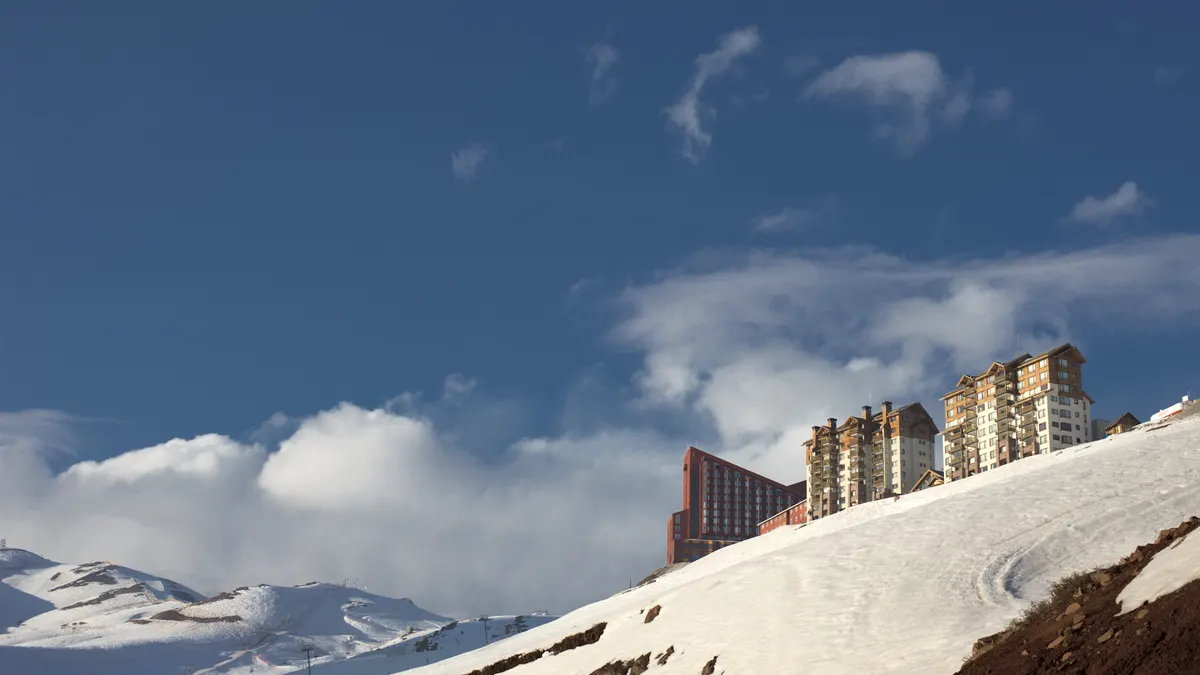
If you are after snow in spring, Valle Nevado announced it was extending its season into November, as we reported in this story. And if you head south, remember that Villarrica volcano is also under close watch: our guide to climbing Villarrica explains how to check conditions before the ascent.
Frequently asked questions
Is it safe to travel to Las Trancas with Nevados de Chillán on yellow alert?
The yellow alert is technical and does not imply evacuation. The restriction in force is not to enter the 2 km perimeter around the crater. Before travelling, check the Sernageomin and Senapred reports, which can change.
Since when has Nevados de Chillán been on yellow alert?
Since June 15, 2026, when Sernageomin raised it due to a sustained increase in seismicity.
Is there lava at Nevados de Chillán?
Yes. On October 2, 2026, Sernageomin confirmed a very slow-moving lava flow, part of the eruptive cycle that began in June.