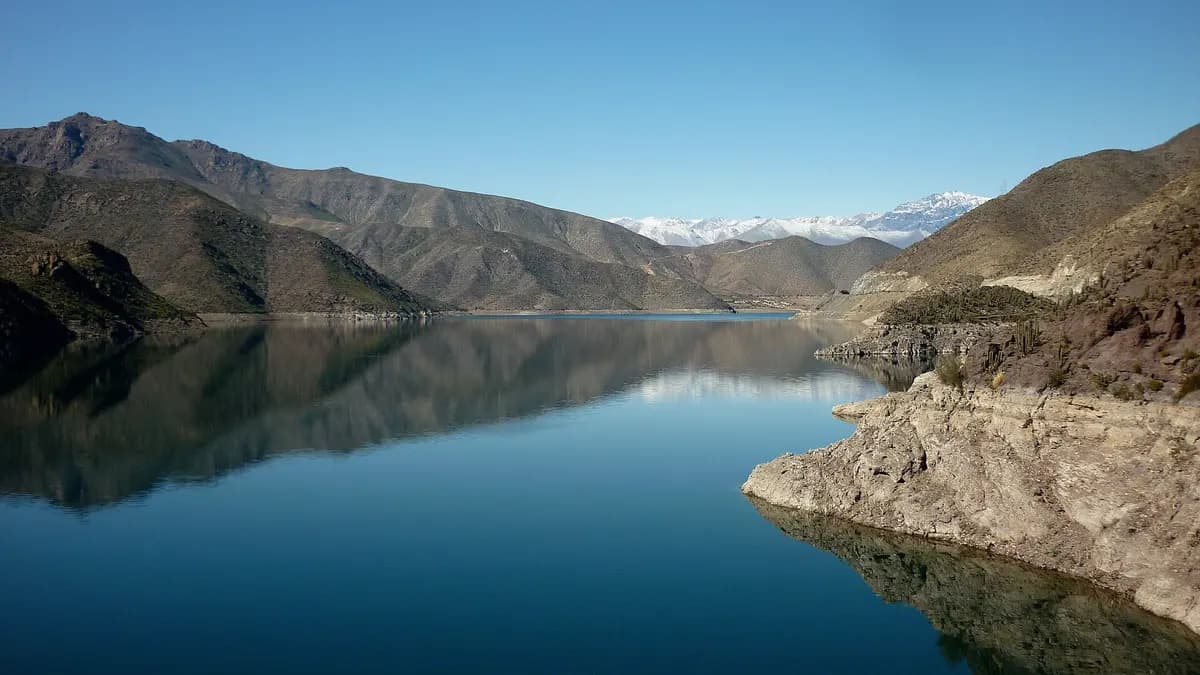
The reservoirs of the Coquimbo Region held 968.69 million cubic meters as of October 13, 2026, or 72.3% of their capacity, and five of the nine were full, including Recoleta and Cogotí, according to data from the PROMMRA laboratory at Universidad de La Serena published by [REDIMIN](https://www.redimin.cl/embalses-de-coquimbo-alcanzan-72-3-de-su-capacidad-y-ceaza-anticipa-nuevas-alzas). After years of drought, water has returned to the Limarí landscapes, and tourism is already feeling it.
In September, families and visitors returned to Isla Condorito and Las Ruinas, at La Paloma reservoir, "after years of little recreational use," El Ovallino reported on October 27. According to the same outlet, using Ministry of Public Works data, the La Paloma, Recoleta, Cogotí and Valle Hermoso reservoirs went from 66.56 million m³ on July 13 to 780.73 million m³ on October 16.
How Coquimbo's reservoirs stand, one by one
| Reservoir | Province | Fill level | Volume |
|---|---|---|---|
| Recoleta | Limarí | 100% | Full |
| Cogotí | Limarí | 100% | Full |
| Culimo | Choapa | 100% | 85.2 million m³ across the three Choapa reservoirs |
| Corrales | Choapa | 100% | Included above |
| El Bato | Choapa | 100% | Included above |
| Valle Hermoso | Limarí | 80.1% | No data |
| La Paloma | Limarí | 68.5% | 514 million m³ |
| Puclaro | Elqui | 49.1% | 102.6 million m³ |
| La Laguna | Elqui | 36.1% | 13.78 million m³ |
| Regional total | — | 72.3% | 968.69 million m³ |
Source: PROMMRA (Universidad de La Serena) and CEAZA's October climate bulletin, via REDIMIN, data as of October 13, 2026. Using Ministry of Public Works data as of October 16, El Ovallino reported La Paloma at 70%. La Paloma is the region's largest reservoir: at the end of September it held 447 million m³, according to CEAZA.
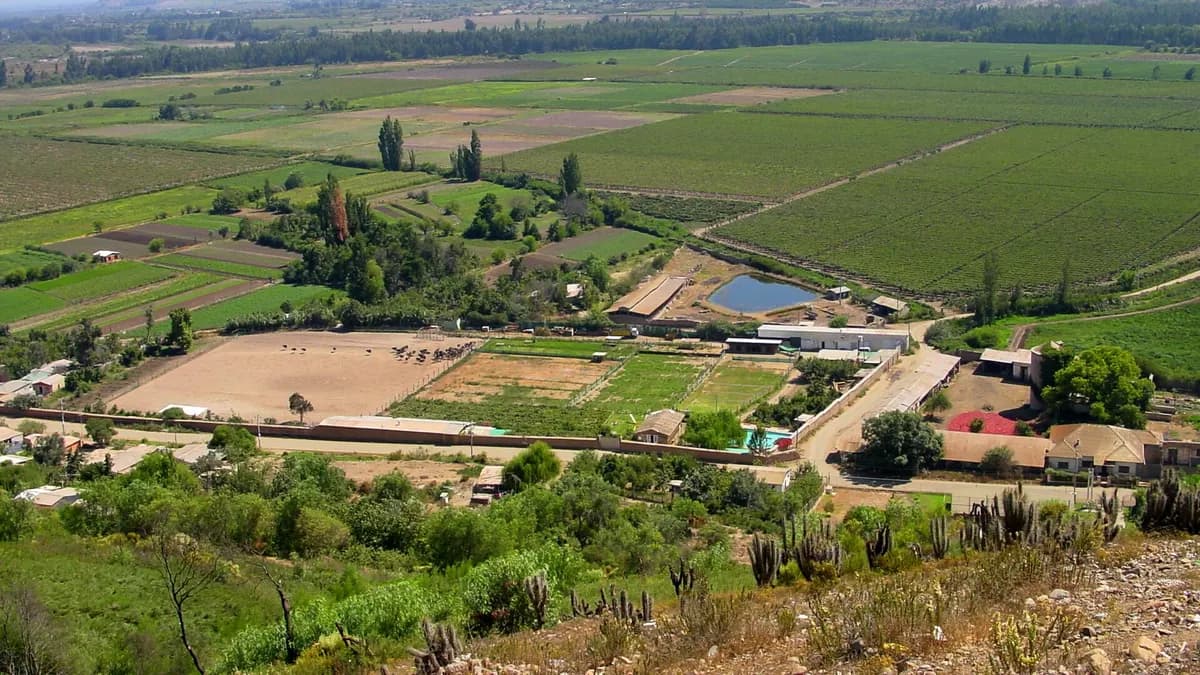
Tourism returns to Coquimbo's reservoirs
"The recovery of the reservoirs is excellent news for the Limarí province," Sernatur Coquimbo regional director Angélica Funes Tapia told El Ovallino. These are the changes municipalities are already reporting:
| Place | What is happening | Source |
|---|---|---|
| Isla Condorito and Las Ruinas (La Paloma reservoir, Monte Patria) | Families started visiting again in September; the tourism office held an event handing out garbage bags | El Ovallino, Oct. 27 |
| Valle Hermoso reservoir (Combarbalá) | More people interested in visiting, although there are no official figures | Municipality of Combarbalá, via El Ovallino |
| Combarbalá, tourist spots | More garbage bins before summer, a waste collection program and inspections | Municipality of Combarbalá, via El Ovallino |
The Monte Patria tourism office asked visitors to "take their waste with them, avoid damaging the vegetation" and respect the surroundings. The attractions highlighted by the authorities are trails, viewpoints, traditional food, rural traditions and handicrafts, according to El Ovallino.
Do you have cabins, tours or a restaurant in the Limarí or Elqui valleys? Reach travelers planning their summer in Chile's Norte Chico.
See advertising optionsWhat to expect this summer: more water in Coquimbo's reservoirs
CEAZA expects river flows to keep rising in spring and early summer thanks to the snow accumulated in the Andes, peaking around December, when snowmelt intensifies, according to REDIMIN. Even so, river flows remain below their historical average in the 2026 season: about 70% in the Elqui, 90% in the Limarí and 61% in the Choapa.
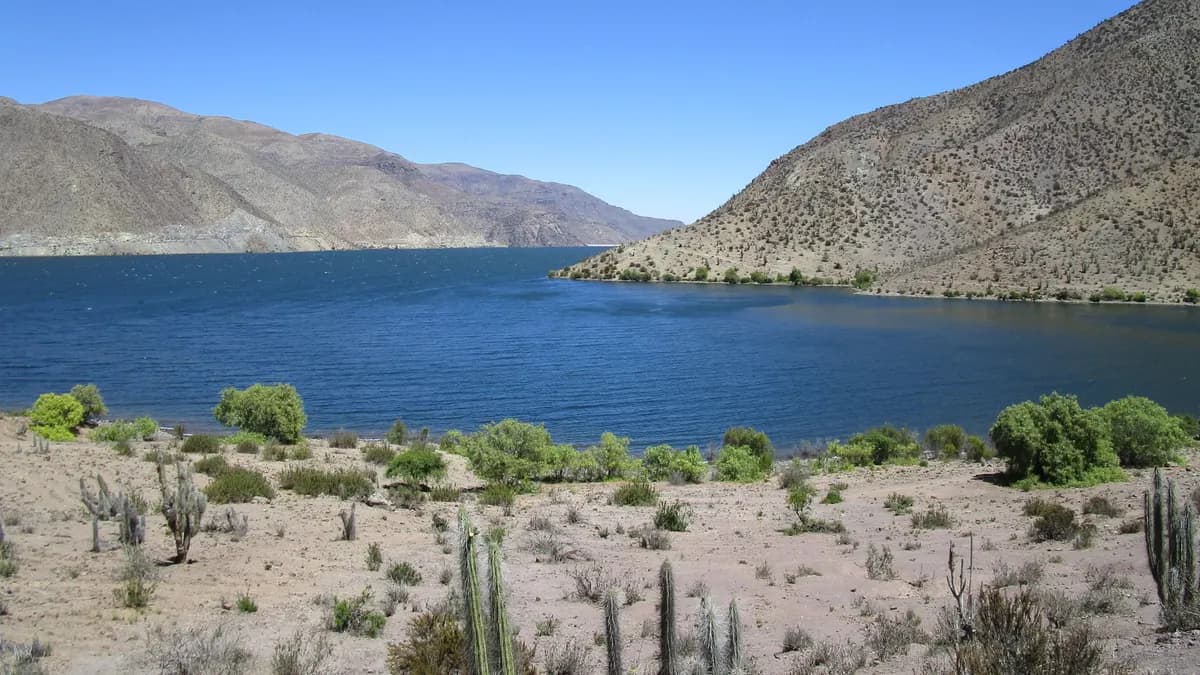
Tips for visiting the Limarí and Elqui reservoirs
- Take your garbage with you: this is the explicit request of the municipalities of Monte Patria and Combarbalá as visitors return.
- Ask before swimming or boating: the sources consulted do not report new rules for water activities; check with the municipality or on site.
- Combine it with the Elqui Valley: the Puclaro reservoir is on the way to Vicuña; see our guide to the Elqui Valley and its observatories and the pisco route.
- Be careful during wildfire season: with the vegetation growing after the rains, Conaf warns of higher risk; see what travelers should know.
To plan your visit, this is the location of the reservoirs with the best levels and the attractions mentioned by the sources:
| Reservoir | Municipality | Fill level on October 13 | What you can do, according to the sources |
|---|---|---|---|
| La Paloma | Monte Patria | 68.5% | Visits to Isla Condorito and Las Ruinas |
| Recoleta | Ovalle | 100% | Limarí Valley scenery; no activities reported |
| Cogotí | Combarbalá | 100% | Scenery; no activities reported |
| Valle Hermoso | Combarbalá | 80.1% | More interest from visitors, according to the municipality |
| Puclaro | Vicuña | 49.1% | On the Elqui Valley route |
Sources: PROMMRA via REDIMIN (fill levels) and El Ovallino (activities). The municipalities correspond to the location of each reservoir in the Coquimbo Region.
The region's coast also has its own alert: Coquimbo is among the 15 regions under a preventive red tide emergency, although as of October 28 no red tide had been reported in the region. For the rest of your trip, see things to do in La Serena and Coquimbo.
Frequently asked questions
How are Coquimbo's reservoirs in October 2026?
As of October 13 they were at 72.3% of capacity, with 968.69 million m³, and five of nine were full, according to PROMMRA via REDIMIN.
Is La Paloma reservoir full?
No. It was at 68.5% on October 13 (PROMMRA) and about 70% on October 16 (Ministry of Public Works, via El Ovallino). Recoleta and Cogotí are at 100%.
Can you visit Isla Condorito?
Yes. Since September, families have been visiting Isla Condorito and Las Ruinas, at La Paloma reservoir, again, according to El Ovallino.