Chile's National Disaster Prevention and Response Service (Senapred) declared on Sunday, November 1, 2026 an early preventive warning for heat across the whole country, from Arica y Parinacota to Magallanes, in force until March 31, 2027. It does not mean a heat wave is under way: it is the first monitoring phase for the summer, requiring agencies to have contingency plans and to inform the public, El País explained.
*Updated November 4, 2026.* For travelers in Chile in spring and summer, the warning changes little in practice, but it comes with useful advice. Meanwhile, this week there are strong wind and possible sandstorm warnings in Atacama.
What Chile's heat early warning is, and what it is not
| Heat warning level | What it indicates |
|---|---|
| Early preventive warning (in force) | Low risk to the population; monitoring, contingency plans and education |
| Yellow alert for intense heat | Vulnerable people may have problems; health care visits rise |
| Red alert | The whole population may be at risk; all resources are deployed |
Source: El País, citing the government, November 4, 2026. The declaration activates the extreme-heat annex of the National Emergency Plan, convenes municipal, provincial and regional risk management committees, and coordinates Conaf, the Chilean Meteorological Office (DMC), the Ministry of Health and Senapred, according to Radio Pudahuel. Radio Canal 95 clarified that the warning "does not mean there is a simultaneous heat wave in every region."
16
Regions covered
from Arica y Parinacota to Magallanes
5
Months in force
November 1 to March 31
6
Peak radiation hours
11 am to 5 pm, avoid direct sun
Source: Senapred, declaration of Nov 1, 2026, via El País and Radio Canal 95
View the data as a table
| Regions covered | 16 · from Arica y Parinacota to Magallanes |
| Months in force | 5 · November 1 to March 31 |
| Peak radiation hours | 6 · 11 am to 5 pm, avoid direct sun |
Senapred's heat advice for travelers
- Avoid direct sun between 11 am and 5 pm, the hours of highest ultraviolet radiation.
- Drink water even if you are not thirsty, especially on hikes, in the desert and at altitude.
- Watch for dizziness, weakness or discomfort: they are signs of heatstroke.
- Children and older adults regulate temperature less well and dehydrate sooner.
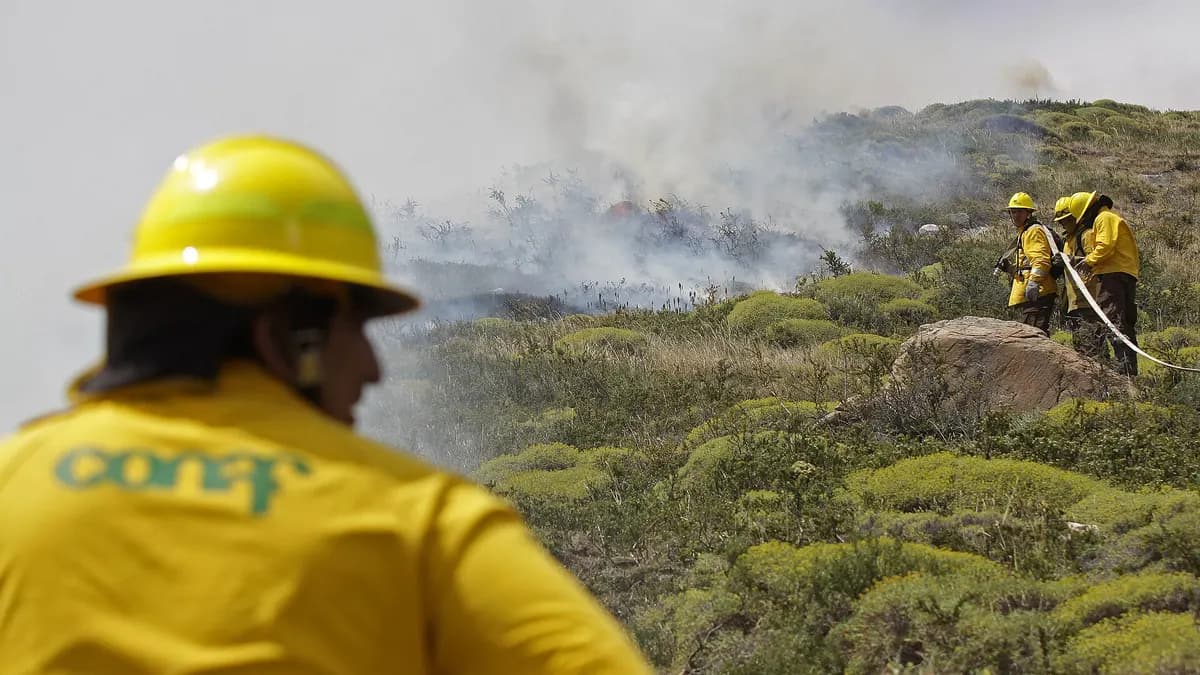
- No fire in rural areas or near dry vegetation: the key recommendation given the wildfire risk.
- Check DMC and Senapred warnings before heading out on roads or to parks.
Senapred's advice according to Radio Canal 95 and El País. Weather warnings are published on the Chilean Meteorological Office website and active alerts on Senapred. Fire rules in national parks and what to do in a wildfire are in our guide to the 2026-2027 wildfire season.

How hot Chile's summer is expected to be
Chile is going through a strong El Niño episode, which brought an unstable spring to central Chile, with rain, thunderstorms and tornadoes. Patricio González, an academic at the University of Talca's irrigation and agroclimatology research center (CITRA), told El País that from December and January "heat waves will prevail" and that on some days highs could reach 37 to 40 °C in the central farming zone, from the Santiago Metropolitan Region to Biobío, and even in La Araucanía.
| Area | Outlook | Source |
|---|---|---|
| Metropolitan Region, O'Higgins, Maule, Ñuble and Biobío | Heat waves from December; highs of 37 to 40 °C on some days | Patricio González (CITRA, U. of Talca), via El País |
| La Araucanía | Possible extreme highs on some days | Patricio González, via El País |
| Whole country | Early preventive heat warning until March 31 | Senapred |
This is an academic's projection, not an official forecast: the DMC issues heat warnings when needed, a few days ahead.
Wind and sandstorm warning in Atacama this week
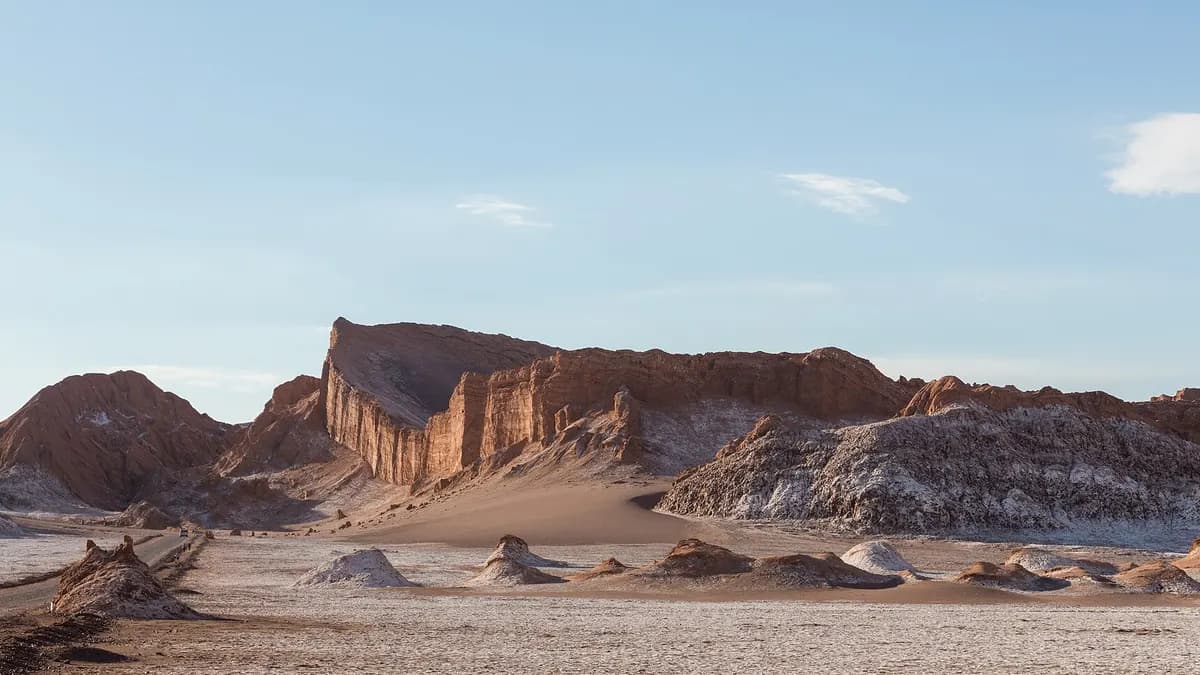
While the heat warning is in force, the Atacama region has wind warnings. Senapred maintains an early preventive warning for wind in seven of the region's municipalities, and the DMC issued two warnings, Meteored reported on November 3.
| Warning | Area | Wind | Valid |
|---|---|---|---|
| DMC A599/2026 | Coast of Huasco province | 40 to 60 km/h; likely sandstorms due to a coastal jet | Wednesday 4 afternoon to Friday 6 November night |
| DMC A600/2026 | Atacama Andes | 70 to 90 km/h | Until Wednesday 4 morning |
| DMC A600/2026 | Coastal range and Antofagasta Andes | 60 to 80 km/h | Until Wednesday 4 morning |
| DMC AA192/2026 | Coquimbo Andes | 50 to 70 km/h, gusts of 90 km/h and blizzards | In force on November 3 |
Source: Meteored, with DMC warnings, November 3, 2026. In arid areas wind lifts sand and dust and cuts visibility on the road. If you drive Route 5 or the coast between Huasco and Caldera, slow down, turn on your lights and do not stop on the shoulder in low visibility. For desert trips, see also our San Pedro de Atacama guide.
Other active warnings for travelers in Chile
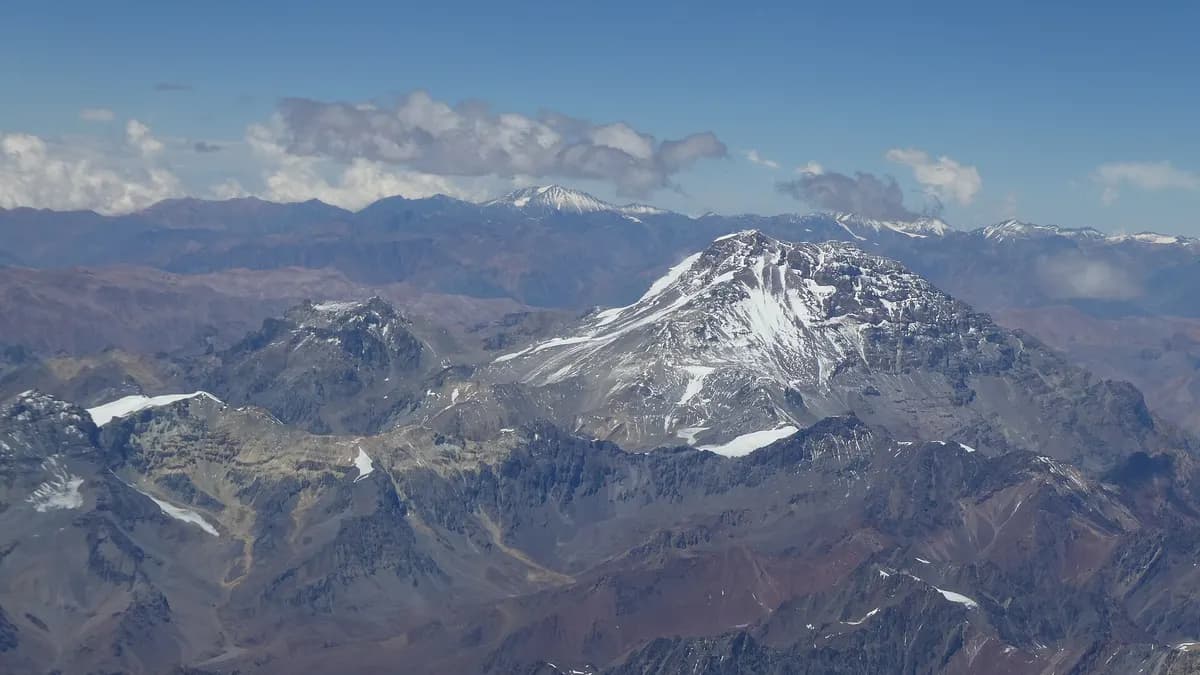
The heat warning adds to the preventive red tide emergency in 15 regions, which limits shellfish from certain areas; we explain it in this story. In the Andes, the border crossings with Argentina are still below freezing despite the heat warning: on November 4 it was -12 °C at Las Cuevas, next to the Cristo Redentor tunnel.
Frequently asked questions
Is there a heat wave in Chile right now?
Not necessarily. The early preventive warning is a monitoring phase for the whole season; heat waves are announced with specific DMC warnings.
Does the heat warning close national parks?
No. Closures are decided by Conaf according to the fire risk in each park and on each day. Check Conaf's website before going.
How long does the heat warning last?
From November 1, 2026 to March 31, 2027, across the whole country.