Airbnb host and guest activity generated an estimated US$1.7 billion contribution to Chile's gross domestic product in 2025, according to a study the company published in its [newsroom](https://news.airbnb.com/ea/anfitriones-y-huespedes-aportaron-us1-700-millones-al-pib-en-chile) on 18 November 2026. The calculation used the IMPLAN economic model, based on internal platform data and surveys of hosts and guests, and estimates that this activity supported about 60,000 jobs.
This is the company's own estimate, not a Central Bank national accounts figure. The release itself notes that results depend on the analysis's assumptions and that IMPLAN does not endorse or verify the study. Even so, it is one of the few public figures on the weight of short-term rentals in Chilean tourism.
View the data as a table
| Contribution to GDP | 1,700 M US$ |
| Jobs supported | 60,000 |
| Labour income | 680 M US$ |
| Host earnings | 280 M US$ |
Airbnb's figures for Chile in 2025
The study separates several amounts. Hosts in Chile earned more than US$280 million from renting their spaces. Guests spent about US$1.6 billion at destinations, excluding lodging, on restaurants, shopping, transport and services. And the total employment effect equals about US$680 million in labour income, according to Airbnb's release and coverage by Ladevi.
| Indicator (2025) | Estimated figure | What it measures |
|---|---|---|
| GDP contribution | US$1.7 billion | Direct, indirect and induced effect under the IMPLAN model |
| Jobs supported | About 60,000 | Jobs linked to host and guest spending |
| Labour income | About US$680 million | Wages linked to those jobs |
| Host earnings | More than US$280 million | What people renting on the platform received |
| Guest spending outside lodging | About US$1.6 billion | Food, shopping, transport and services |
| Spending in off-the-beaten-path neighbourhoods | About US$354 million | Estimate based on surveys |
Source: Airbnb, IMPLAN estimates on 2025 data. Surveys: 2,278 responses on neighbourhood spending and 2,430 on visit intention.
Airbnb guest spending in the neighbourhoods
According to the company's survey, about 50% of guest spending took place in the neighbourhood where they stayed, and almost half of travellers said they would not have visited the area if not for where they were staying. On that basis, Airbnb estimates US$354 million was spent in neighbourhoods outside traditional tourist circuits. Fiamma Zarife, Airbnb's general manager for South America, said the figures show a "multiplier effect" on jobs and local communities.
For travellers, the figure confirms a trend: much tourist spending no longer happens only in downtown hotels, but in residential areas of Santiago, Valparaíso and southern towns. That benefits local businesses and also fuels debate about life in apartment buildings and the supply of long-term rentals, a discussion for which Chile currently has no specific short-term rental law.
How it compares with Airbnb's previous Chile study
In October 2025, Airbnb had published another calculation based on its internal data: a contribution of 1.235 trillion pesos to GDP, more than 46,000 jobs supported and about 490 billion pesos in labour income. That release did not explain the period or method as clearly, so its figures are not directly comparable with the 2026 ones, which are presented as full-year 2025 and use the IMPLAN model.
| Indicator | October 2025 release | November 2026 release |
|---|---|---|
| GDP contribution | 1.235 trillion pesos | US$1.7 billion (year 2025) |
| Jobs supported | More than 46,000 | About 60,000 |
| Labour income | About 490 billion pesos | About US$680 million |
| Stated method | Internal platform data | IMPLAN, internal data and surveys |
The same week, Airbnb published equivalent studies for Peru (S/ 4.2 billion in impact) and earlier for Argentina (more than US$2.3 billion in 2025), with the same methodology. The figures help size the phenomenon, but they do not replace official tourism statistics from Chile's INE and the Undersecretariat of Tourism.
Airbnb's emerging destinations in Chile
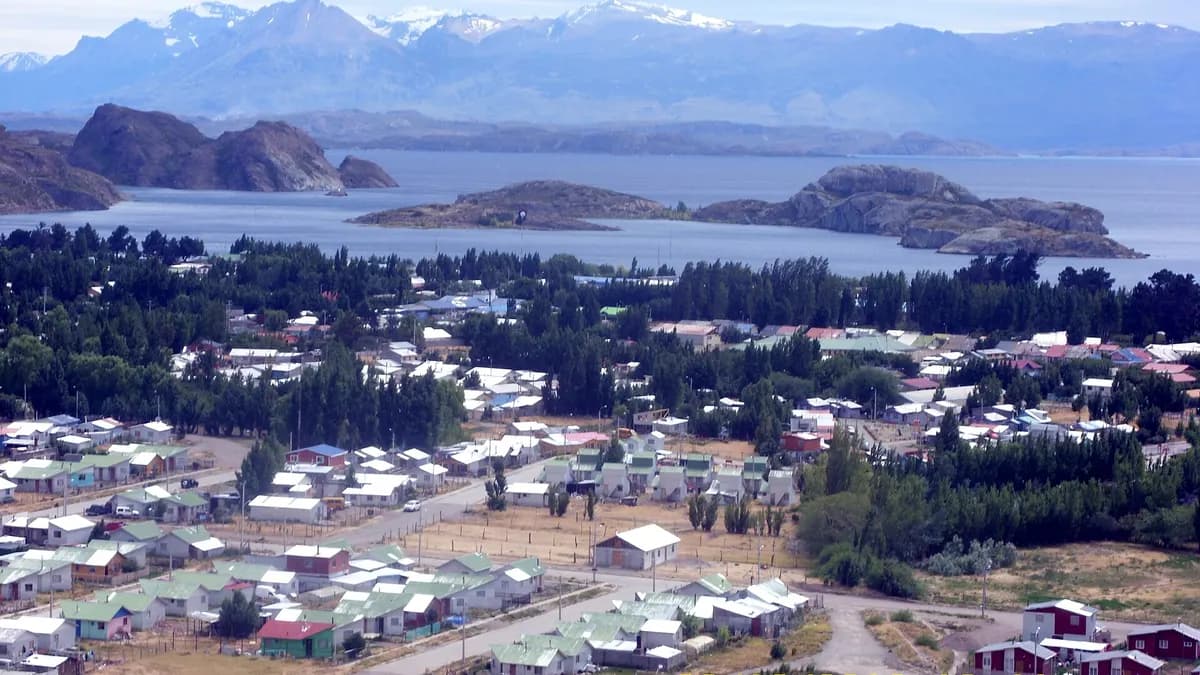
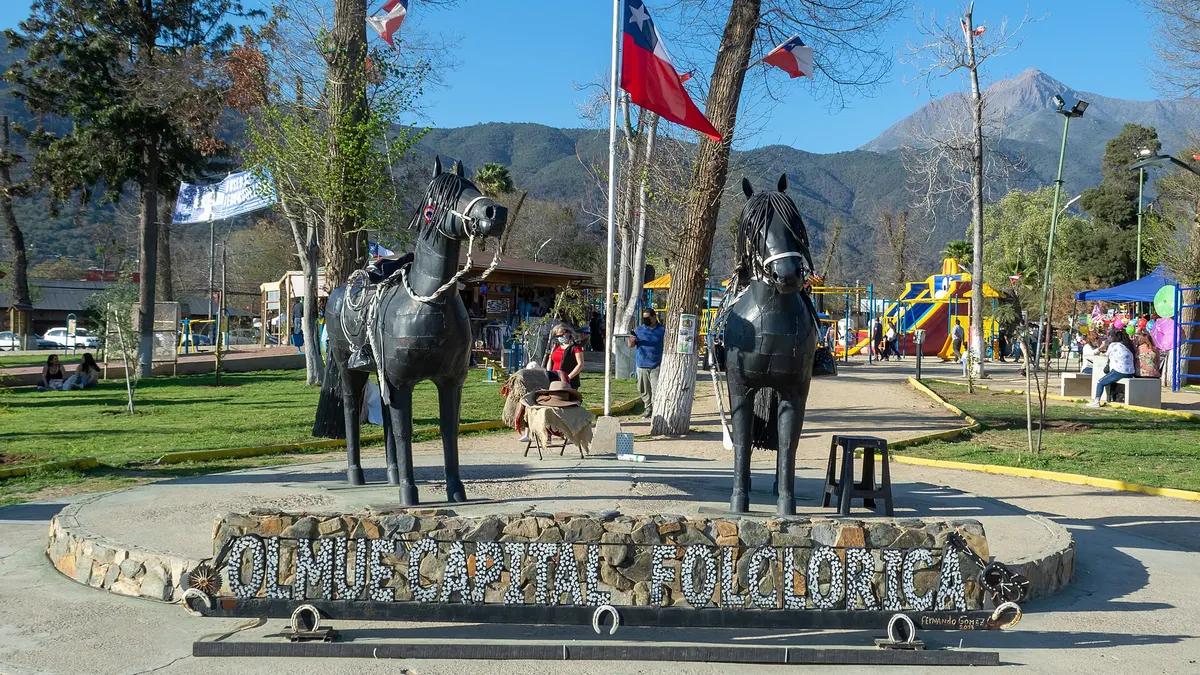
A week earlier, the company had published its list of emerging destinations in Chile, based on booking growth over the past two years: Chile Chico and Cisnes, in Aysén; Olmué, in Valparaíso; Tomé, in Biobío; and Vicuña, in Coquimbo. Santiago is the main origin city for travellers in four of those five destinations.
View the data as a table
| Vicuña | Coquimbo · almost 90% domestic travellers |
| Olmué | Valparaíso · over 90% domestic |
| Tomé | Biobío · over 90% domestic |
| Cisnes | Aysén · over 50% domestic |
| Chile Chico | Aysén · almost 50% domestic |
| Emerging destination | Region | Domestic travellers (per Airbnb) | Viajando Chile guide |
|---|---|---|---|
| Tomé | Biobío | Over 90% | No guide yet |
| Olmué | Valparaíso | Over 90% | What to do in Olmué |
| Vicuña | Coquimbo | Almost 90% | What to do in Vicuña |
| Cisnes | Aysén | Over 50% | No guide yet |
| Chile Chico | Aysén | Almost 50% | Lake General Carrera |
Frequently asked questions
How much did Airbnb contribute to Chile's GDP in 2025?
US$1.7 billion, according to the company's own estimate using the IMPLAN model. It is not an official Central Bank figure.
How many jobs does Airbnb support in Chile?
About 60,000, with some US$680 million in labour income, according to the same study.
How much did Airbnb hosts earn in Chile?
More than US$280 million in 2025, according to the company.
What are Airbnb's emerging destinations in Chile?
Chile Chico, Cisnes, Olmué, Tomé and Vicuña, according to the list Airbnb published on 11 November 2026.