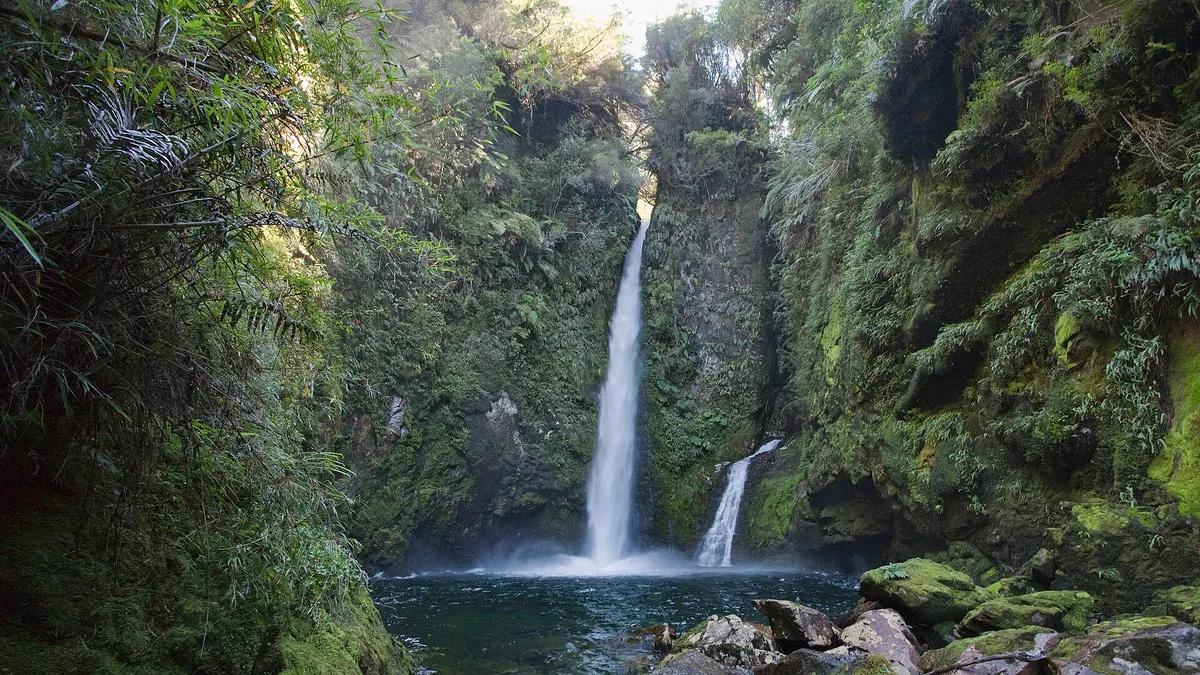
The six campsites in Pumalín Douglas Tompkins National Park, in the Los Lagos Region, will have a new operator from 1 December 2026: the Chile Parque País network, which will run them for five years under a Conaf authorisation granted under the Biodiversity and Protected Areas Service (SBAP) law. Diario Sustentable and ADN Radio reported the network's announcement of Saturday 14 November.
Until now, Conaf ran the campsites directly. The agency will keep responsibility for conservation and enforcement, while Chile Parque País takes over operations and a plan of improvements and investment.
View the data as a table
| Campsites changing operator | 6 |
| Years of the authorisation | 5 |
| Conaf fee per person per night | $6,000 |
| Visitors in 2025 | 23,868 |
The six campsites in Pumalín Park
The park has two main access areas on the Carretera Austral: the north, around Caleta Gonzalo, and the south, at El Amarillo near Chaitén. These are the campsites moving to the new management:
| Cascadas Escondidas | North (Caleta Gonzalo) |
| Lago Negro | North (Caleta Gonzalo) |
| Lago Blanco | North (Caleta Gonzalo) |
| El Volcán | North (Caleta Gonzalo) |
| Camping Grande | South (El Amarillo) |
| Ventisquero | South (El Amarillo) |
| Campsite | Sector | Operator from 1 Dec 2026 |
|---|---|---|
| Cascadas Escondidas | West / north (Caleta Gonzalo) | Chile Parque País |
| Lago Negro | West / north (Caleta Gonzalo) | Chile Parque País |
| Lago Blanco | West / north (Caleta Gonzalo) | Chile Parque País |
| El Volcán | West / north (Caleta Gonzalo) | Chile Parque País |
| Camping Grande | El Amarillo (south) | Chile Parque País |
| Ventisquero | El Amarillo (south) | Chile Parque País |
Sources: Diario Sustentable and ADN Radio. Conaf's page also lists a camping area at the Caleta Gonzalo river in the north, which is not on the transfer list. The park covers about 402,392 hectares across four municipalities.
What Conaf charges at Pumalín Park campsites today
According to Conaf's official page, checked on 17 November 2026, camping costs CLP 6,000 per person per night, pitches are first come, first served and there is no booking system. The network had not yet published the fees or booking system that will apply from December: check chileparquepais.com before travelling.
| Item | Until November 2026 (Conaf) | From 1 December 2026 |
|---|---|---|
| Campsite operator | Conaf | Chile Parque País |
| Fee | CLP 6,000 per person per night | To be confirmed by the operator |
| Bookings | None; first come, first served | To be confirmed by the operator |
| Conservation and enforcement | Conaf | Conaf |
| Term | - | Five-year authorisation (SBAP law) |
Conaf's office at El Amarillo is open daily from 8:30 to 13:00 and 14:00 to 17:30, and trails can only be started until 14:00. There is no mobile signal or electricity in the park, any heat source is banned (barbecues, campfires or gas stoves, under Law 20,653), and pets and drones are not allowed.
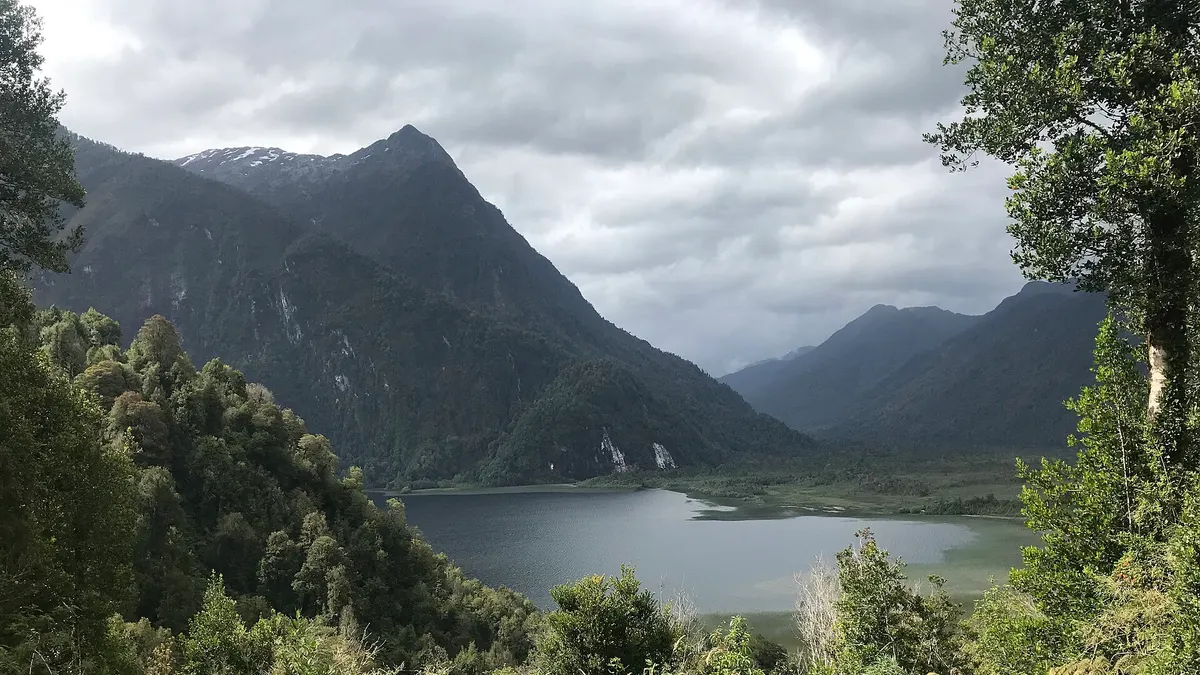
How many visitors Pumalín Park receives
In 2025 the park recorded 23,868 visitors, according to Conaf's visitor spreadsheet (revised on 28 February 2026). The season is very marked: January and February accounted for 73.8% of the year's visits.
| Month (2025) | Visitors |
|---|---|
| January | 6,950 |
| February | 10,662 |
| March | 1,874 |
| April | 626 |
| May | 102 |
| June | 73 |
| July | 45 |
| August | 65 |
| September | 212 |
| October | 476 |
| November | 1,353 |
| December | 1,430 |
| Total | 23,868 |
For comparison, Vicente Pérez Rosales National Park, in the same region, topped 70,000 visitors in January 2025 alone. Pumalín remains a low-density park, which the network says it wants to preserve.
Who is Chile Parque País
Chile Parque País describes itself as a network of "nature campsites" for travelling the Carretera Austral. Its first site is Punta Camp, on the shores of Lake General Carrera in Aysén, and its website says Hornopirén, Queulat and Cerro Castillo will be next (chileparquepais.com). At Punta Camp, according to the network, 100% of wastewater is treated in an artificial wetland and there is a solar plant; the design is by architect Francisco Morandé's studio.
The network offers pitches designed for motorhomes, campervans and caravans, useful on a route where services are scarce. "First comes caring for the park and respecting Douglas Tompkins' legacy", said co-founder Pablo Sepúlveda Maggiolo.
- 1991Douglas Tompkins buys the 17,000-ha Reñihué estate
- 2005Declared a Nature Sanctuary
- 28 February 2018Pumalín Douglas Tompkins National Park is created
- 14 November 2026Chile Parque País announces it will run the six campsites
- 1 December 2026New operation begins, for five years
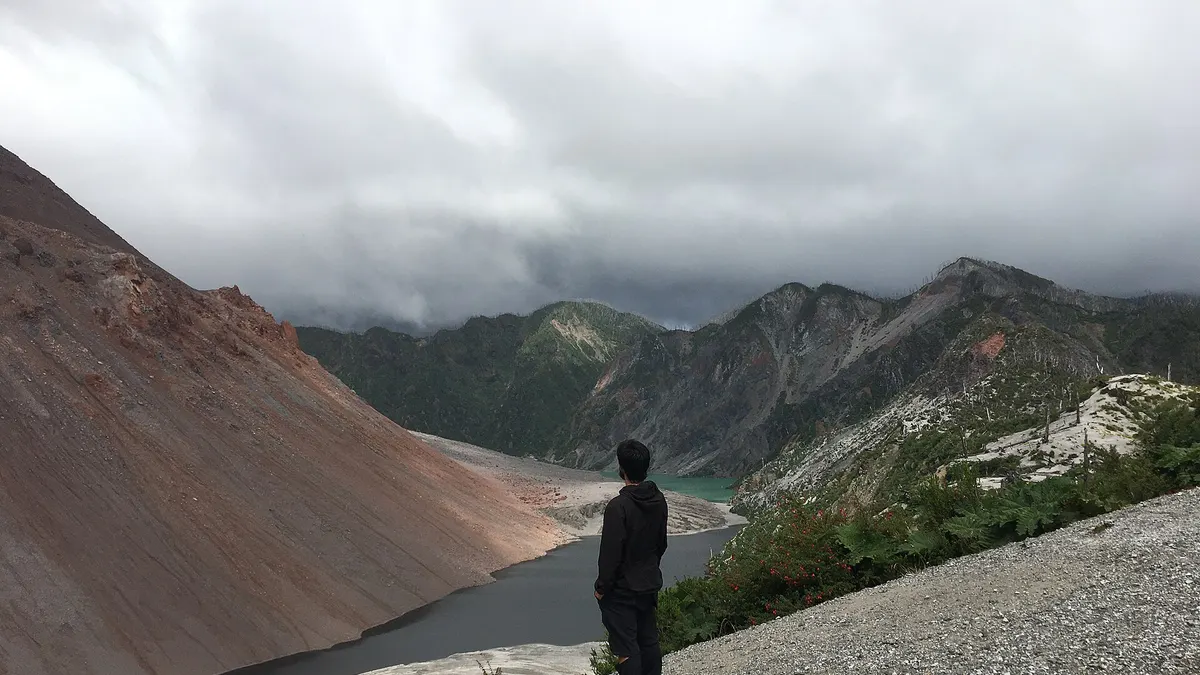
How to get to Pumalín Park
From Puerto Montt, take the Carretera Austral to Hornopirén (110 km), then a daily Somarco ferry to Leptepu (about 3.5 hours), a 10 km stretch by road and a second ferry across Fiordo Largo to Caleta Gonzalo (40 minutes), according to Conaf. The El Amarillo sector lies south of Chaitén. To plan your trip, see our Carretera Austral road-trip guide, Sernatur's platform with roadworks updates and our list of the best campsites in Chile 2026.
The change comes ahead of the transfer of national parks from Conaf to the SBAP, planned for March 2027.
Frequently asked questions
When do Pumalín Park's campsites change hands?
On 1 December 2026, when Chile Parque País takes over the six campsites for five years.
How much does camping in Pumalín Park cost?
Under Conaf, CLP 6,000 per person per night (page checked on 17 November 2026). The new operator's fees had not been published by that date.
Can I book?
Conaf did not take bookings: pitches were first come, first served. Chile Parque País had not announced its booking system as of 17 November.
Is Conaf leaving Pumalín Park?
No. Conaf keeps conservation and enforcement; it only hands over the running of the campsites.