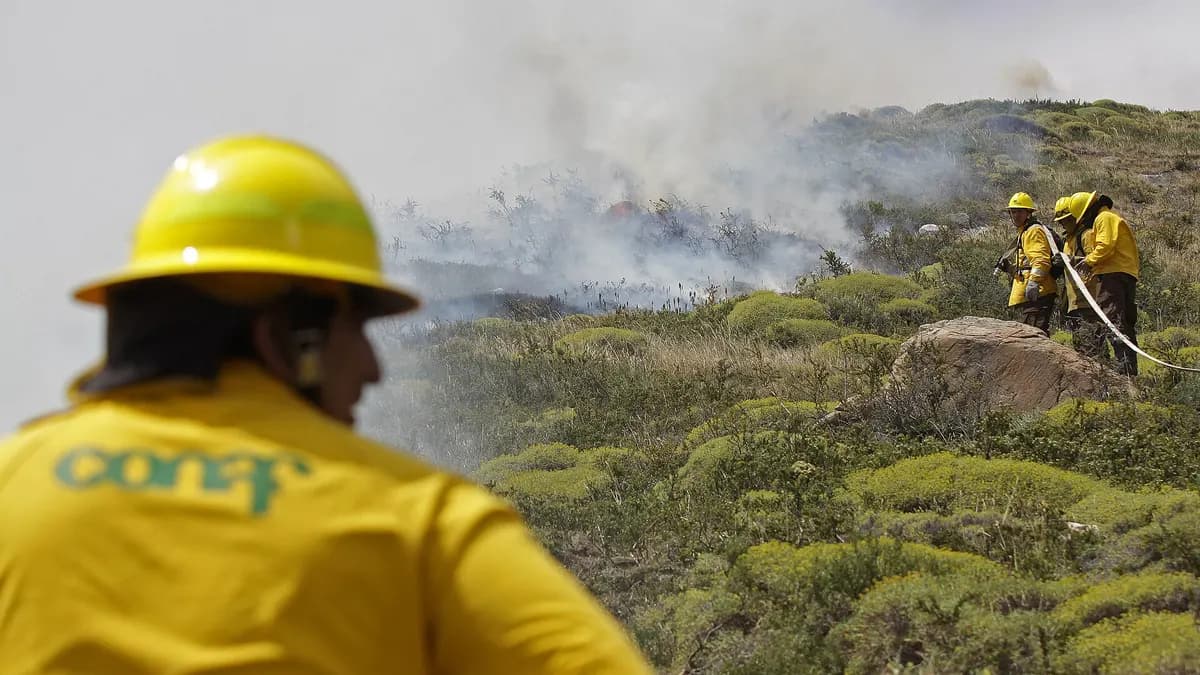
Chile's National Disaster Prevention and Response Service (Senapred) declared on Tuesday 24 November 2026 a Preventive Early Warning (Alerta Temprana Preventiva) for wildfire risk across the whole Santiago Metropolitan Region, [CNN Chile](https://www.cnnchile.com/pais/senapred-alerta-temprana-preventiva-region-metropolitana-incendios-forestales/) reported. The measure was taken with the Presidential Delegation and based on technical data from Conaf, and will remain in force until risk conditions ease.
The same day, an absolute and permanent ban on agricultural and forest burning took effect in all 52 districts of the region, according to the regional Agriculture office cited by El Diario de la Provincia de Maipo. And the government received the Hercules C-130 air tanker, which from Wednesday 25 operates out of Los Ángeles, in Biobío, according to Pauta.
View the data as a table
| Conaf aircraft | 77 |
| Litres per C-130 drop | 15,000 |
| Santiago region districts with burning ban | 52 |
| Human-caused wildfires | 99.7% |
What the preventive early warning for wildfires means
The Preventive Early Warning is not an evacuation order or a road closure. It is the first level of Chile's alert system: it steps up surveillance, risk monitoring and coordination between agencies, so they can respond faster if a fire starts. For visitors, the practical consequence is that any fire in rural or hillside areas is policed more strictly.
| Measure | From | What it means for travellers | Source |
|---|---|---|---|
| Preventive Early Warning for wildfires, whole Metropolitan Region | 24 November 2026 | More surveillance and faster response; does not close roads by itself | CNN Chile |
| Permanent ban on agricultural and forest burning in the region | 24 November 2026 | No burning of stubble or branches of any kind in all 52 districts | Provincia de Maipo |
| Annex of the National Emergency Plan for extreme heat | Early November 2026 | Heat alerts nationwide | CNN Chile |
| Hercules C-130 operating from Biobío | 25 November 2026, for 120 days | More air capacity for initial attack on fires | Pauta |
- Early NovNational Plan annex for extreme heat
- 23 NovThe Hercules C-130 arrives
- 24 NovPreventive early warning across the Santiago regionPlus a permanent burning ban.
- 25 NovThe C-130 operates from Los ÁngelesFor 120 days.
- DecemberAir fleet at 100%
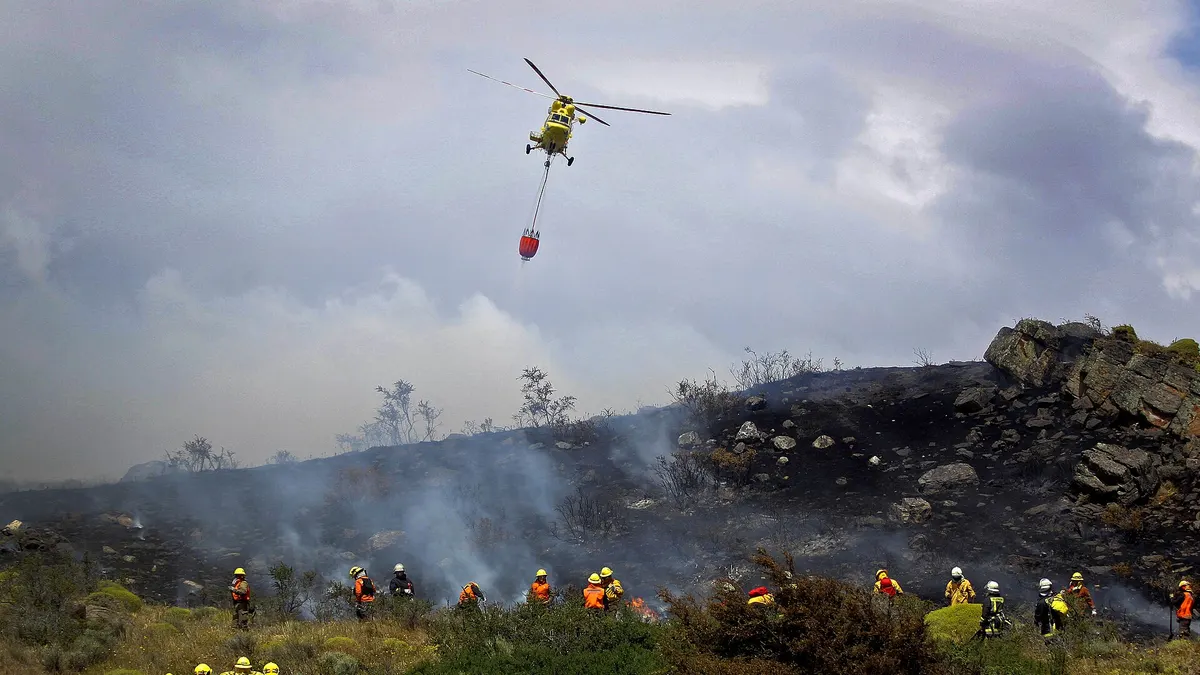
Fines for wildfires and for using fire
In Chile, 99.7% of wildfires are human-caused, the regional Agriculture office noted. Penalties for illegal use of fire are both administrative and criminal, according to official information published by El Diario de la Provincia de Maipo:
| Conduct | Penalty |
|---|---|
| Illegal burning (administrative penalty) | Fine of 1 to 70 UTM |
| Illegal burning with action by the Environment Superintendency | Up to 10,000 UTA |
| Illegal use of fire alone | From 61 days in prison |
| Fire caused by negligence | Up to 5 years in prison |
| Intentional fire | Up to 20 years in prison |
Enforcement is carried out by Conaf, the SAG, the Environment Superintendency, Carabineros, the PDI and municipal inspectors. National parks also ban fires and smoking outside authorised areas: see what is banned in parks and the fines. UTM and UTA are Chilean monthly and annual tax units.
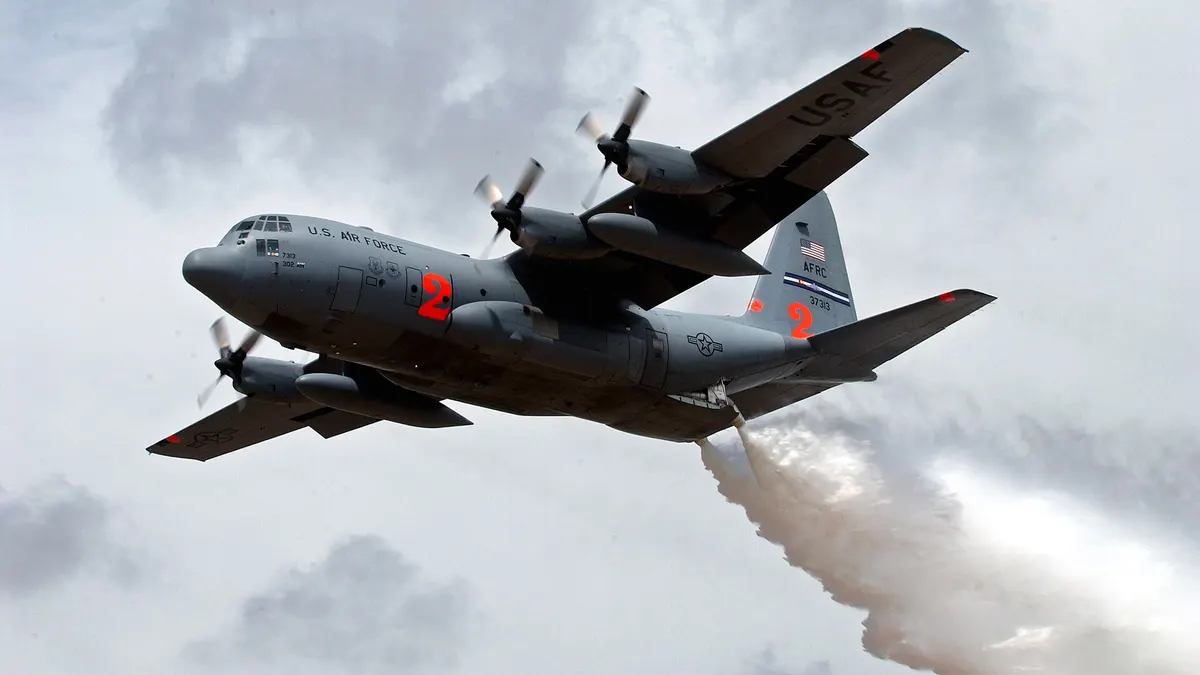
The Hercules C-130 and Conaf's firefighting air fleet
The Hercules C-130 can carry up to 15,000 litres of water or retardant, cruises at about 570 km/h and has about three hours of endurance. It needs some 25 minutes of preparation and operates with a lead plane. Its cost reported by Conaf is US$11,900 per flight hour, according to Pauta. It is part of a fleet of 77 aircraft for the 2026-2027 season, the same number as last season, which was 57% deployed on 23 November and will reach 100% in December.
| Aircraft type | Number |
|---|---|
| C-130 air tanker | 1 |
| Water bombers | 26 |
| Coordination planes | 4 |
| Observation planes | 4 |
| Light helicopters | 22 |
| Medium helicopters | 13 |
| Medium-heavy helicopters | 7 |
| Total | 77 |
Source: Conaf's plan for the 2026-2027 season, cited by Pauta.
Tips for hiking during a wildfire alert
- No fire at all. No campfires, no stoves outside authorised areas, no cigarette butts. In the Metropolitan Region nothing may be burned on farmland either.
- Avoid the hottest hours. Start early: between 14:00 and 18:00 high temperatures, wind and low humidity combine.
- Check the park's status. Conaf can close trails or protected areas at short notice when risk is high. Check Pases Parques and Conaf's social media before going.
- Have a way out. Choose trails with more than one escape route and tell someone your plans.
- If you see smoke, call. Conaf's number to report wildfires is 130.
More context: what travellers should know about the 2026-2027 wildfire season, the preventive heat alert until March 2027 and the 24-27 November heatwave.
Frequently asked questions
Does the preventive early warning close parks or roads?
Not by itself. It is an alert level that strengthens surveillance and coordination. Closures are decided by each administrator, such as Conaf for parks.
Can I have a barbecue at a campsite in the Santiago region?
Only where the site allows it and in authorised facilities. Agricultural and forest burning is banned year-round in the Metropolitan Region from 24 November 2026.
What number do I call to report a wildfire?
Conaf's 130. For emergencies with people at risk, also the fire brigade (132) and Carabineros (133). Official information from Senapred and Conaf.